Understanding why your skin appears different after a cleansing routine is essential. Many individuals ask, "Why do my pores look bigger after cleansing?" This common concern can be surprising, especially when your goal is clearer skin.
According to a study by the American Academy of Dermatology, nearly 40% of people experience changes in their skin's appearance post-cleansing. Factors like product choice and washing technique can play a significant role. For instance, some cleansers can strip essential oils. This leads to temporary swelling in the skin, making pores more pronounced.
Additionally, frequent cleansing may disrupt the skin's natural barrier. The lack of moisture can cause skin to produce more oil, potentially making pores more noticeable. Reflecting on your routines is crucial. It’s not just about the steps you take, but also the products you choose. Adjusting your approach could help restore that balance and improve your skin's overall appearance.
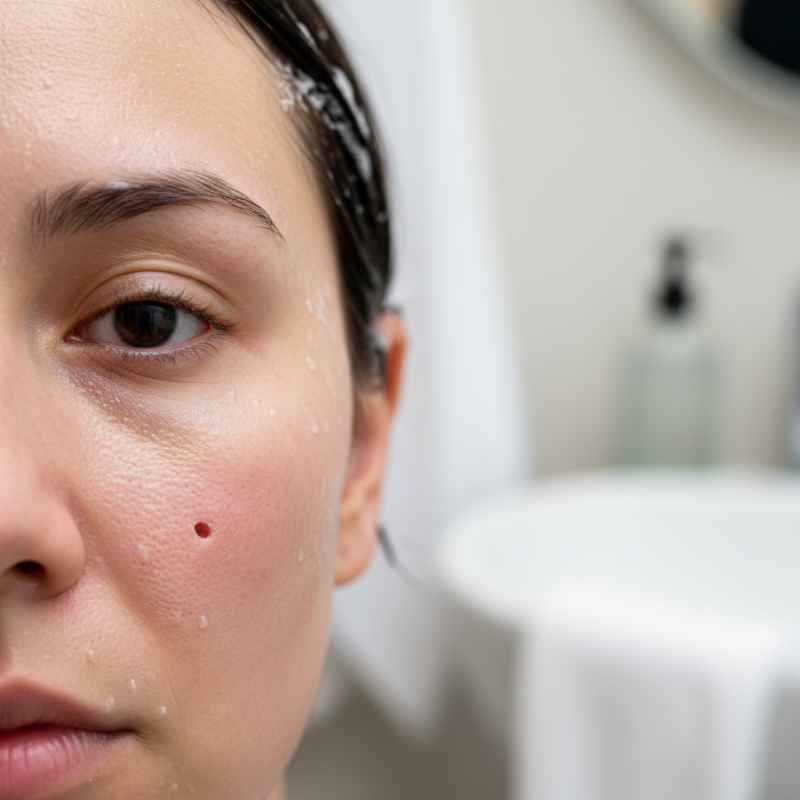
Understanding the Anatomy of Pores and Their Functionality
Understanding the anatomy of pores begins with recognizing their structure. Pores are tiny openings on our skin, housing hair follicles and sweat glands. They play a crucial role in maintaining skin health, helping regulate temperature and releasing oils. When you cleanse your face, the dirt and excess oil are removed, revealing the pores more prominently. This can create the illusion of larger pores.
After cleansing, some may notice an increase in pore visibility. This is often due to the loss of oils that keep the skin plump. Without sufficient moisture, pores may look stretched or more defined. Moreover, factors like genetics and aging also contribute to pore size. Using harsh cleansers can exacerbate this issue, stripping too much oil and leading to irritation.
It's essential to reflect on the cleansing methods we use. Gentle, hydrating cleansers can help maintain balance. Many people overlook their skin's natural barriers in pursuit of a deep clean. Embracing one's skin texture, rather than striving for perfection, can shift the focus. Larger pores are a normal part of skin's anatomy. Learning to care for them is key to achieving healthy, radiant skin.
The Role of Sebum in Pore Appearance and Skin Health
Cleansing is essential for skin health. However, many people notice that their pores look larger after washing their face. This phenomenon can be closely tied to the role of sebum. Sebum is the natural oil produced by our skin. It helps to maintain moisture and provides a protective barrier.
When you cleanse your skin, especially with harsh products, you may strip away this sebum. This can lead to temporary dryness and irritation. Without adequate sebum, the skin can lose its natural elasticity. As a result, pores may appear larger. This situation can feel frustrating, especially if you aim for a smooth complexion.
Skincare isn't always perfect. The balance of oil and moisture is delicate. Over-cleansing can lead to more issues than it solves. It's crucial to listen to your skin. Some may need lighter products, while others benefit from richer moisturizers. Reassessing your routine can help find that perfect balance.
Why Do My Pores Appear Larger After Cleansing? - The Role of Sebum in Pore Appearance and Skin Health
| Skin Type |
Pore Size (Average Diameter) |
Sebum Production (mg/day) |
Post-Cleansing Pore Appearance |
Recommendations |
| Oily |
1.5 mm |
50 |
Pronounced |
Use non-comedogenic products |
| Combination |
1.2 mm |
30 |
Moderate |
Exfoliate regularly |
| Dry |
0.8 mm |
10 |
Minimal |
Hydrate skin regularly |
| Normal |
1.0 mm |
20 |
Mild |
Use lightweight moisturizers |
Impact of Cleansing Techniques on Pore Size Perception
Cleansing techniques can greatly influence how our pores look. When you wash your face, dirt and oil are removed. This can make pores appear larger temporarily. The skin feels fresher, but the sudden clarity can highlight imperfections. Many people might feel alarmed by this shift.
Deep cleansing may seem like a good idea. However, it's crucial to be gentle. Over-scrubbing can irritate the skin. This irritation can make pores look puffier. Aggressive exfoliation may lead to more oil production. That can cause a counterproductive effect on pore size.
Tip: Use lukewarm water for cleansing. Extreme temperatures can aggravate the skin.
It's also essential to hydrate post-cleansing. If skin becomes dry, it can react by producing more oil. This leads to larger appearing pores. Consider using a light moisturizer. Finding the right balance is key for healthy skin.
Tip: Always patch-test new products. Some may cause adverse reactions.
Remember to give your skin time to breathe. Rushing through your routine often causes more harm than good. Take the time to understand what works for you. Your skin will thank you for it.
The Influence of Hydration and Skin Type on Pore Visibility
The appearance of enlarged pores after cleansing can often be linked to your skin type and moisture levels. Research indicates that oily skin tends to have more visible pores. A study found that 45% of individuals with oily skin reported larger pore sizes compared to those with dry skin. This is due to excess sebum production, which can lead to clogged pores.
Hydration plays a crucial role, too. When skin is well-hydrated, pores appear smaller. A report from a skincare research group noted that individuals using hydrating serums saw a 30% reduction in pore visibility within weeks. However, over-cleansing can strip natural oils, leading skin to produce more sebum as a defense mechanism. This can inadvertently make pores more pronounced.
Different skin types react uniquely to cleansing routines. If you have sensitive or combination skin, pore visibility may increase after deep-cleansing. This occurs as skin becomes dry, causing it to tighten and amplify pore appearance. The balance between cleansing and hydration is delicate. It requires continuous evaluation and adaptation of your skincare routine. Make adjustments as needed; your skin may not always respond positively to the same products or methods.
Common Skincare Ingredients and Their Effects on Pore Management
Cleansing your face is vital for healthy skin. However, after cleansing, pores can appear larger. This often frustrates many. Understanding skincare ingredients helps address this issue.
Certain ingredients can refresh and tighten the skin. For instance, salicylic acid penetrates pores deeply. It removes dead skin cells effectively. This can reduce the visibility of pores. However, overuse might irritate your skin. Balance is key.
Niacinamide is another powerful ingredient. It helps regulate oil production and improves skin texture. This can be helpful for people with enlarged pores. But be cautious. Every skin type reacts differently. A patch test can save you from a bad experience. Always listen to your skin. It will tell you what it needs.
Why Do My Pores Appear Larger After Cleansing?
This chart illustrates the common effects of various skincare ingredients on pore appearance. The data shows the average perceived pore size (on a scale from 1 to 10, with 10 being the largest) after using products containing key ingredients.
Conclusion
Cleansing is a crucial step in any skincare routine, yet many people wonder, "Why do my pores look bigger after cleansing?" This phenomenon can be attributed to several factors, including the anatomy of the pores and how they function. Pores are openings that allow sebum to reach the surface, and an imbalance in sebum production can affect how pores appear. During cleansing, harsh techniques may strip the skin of natural oils, leading to temporary dilation of pores, which can create the illusion of larger pores.
Additionally, hydration levels and individual skin types play significant roles in pore visibility. Well-hydrated skin tends to appear plumper and may reduce the perception of pore size. Various skincare ingredients can also influence pore management, either by helping to clear excess oil or by providing hydration. Understanding these elements can help in addressing concerns about pore size and maintaining a healthy complexion.

 Earts Beauty