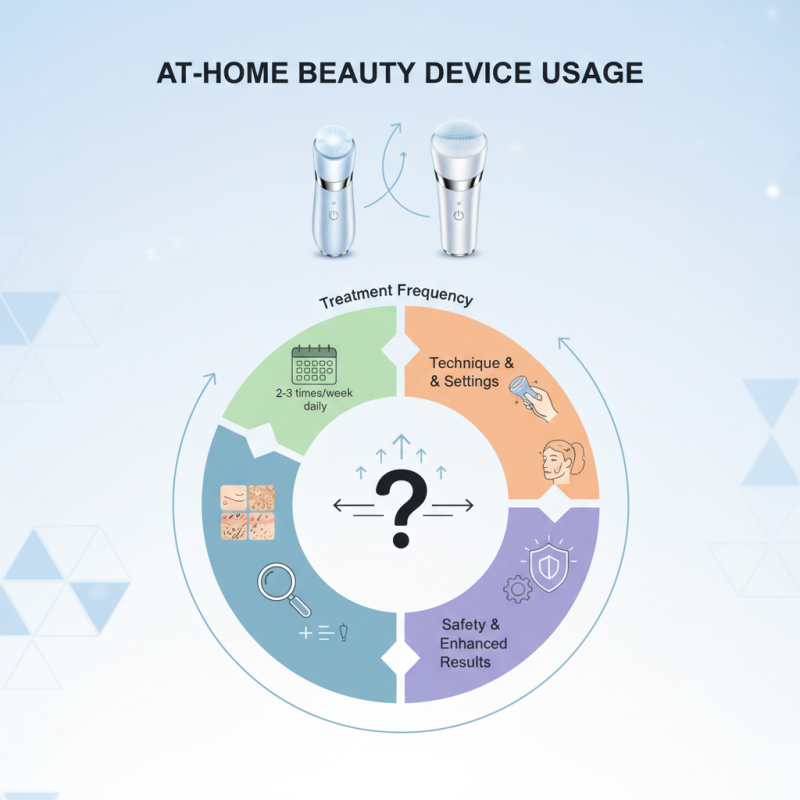
In recent years, at-home beauty devices have surged in popularity. According to a 2023 market report by Grand View Research, the at-home beauty device market is projected to reach $18.6 billion by 2026. However, many users overlook the importance of proper usage. Understanding "how to use at-home beauty devices correctly" is crucial for achieving desired results.
The effectiveness of these devices largely depends on factors such as skin type and treatment frequency. A 2022 survey by SkinCeuticals revealed that 45% of users reported not seeing results due to incorrect usage. This highlights the need for education on techniques and settings.
Even with the latest technology, improper use can lead to subpar outcomes. Users may experience irritation or ineffective treatments. This reality emphasizes the importance of refining our approach. Taking the time to learn proper usage can ensure safety and enhance results significantly.
At-home beauty devices have become increasingly popular, offering convenience and effectiveness. Understanding the types available is essential. Devices range from LED masks to microcurrent tools, each designed for specific skin concerns. According to a report by Allied Market Research, the global beauty device market is projected to reach $60 billion by 2025, showcasing a growing demand for home treatments.
LED therapy devices are known for their ability to reduce acne and improve skin texture. They work by penetrating the skin with different light wavelengths. Microcurrent devices, often dubbed “facelift in a box,” utilize low-level currents to stimulate facial muscles. Both methods promise visible results but require consistent use to be effective. A survey published in the Journal of Cosmetic Dermatology showed that 58% of users saw improvements in their skin after regular use of such devices.
While promising, these technologies come with caveats. Users should approach with realistic expectations. Not all devices suit every skin type; sensitivity is a common issue. Users often report skin irritation after initial use. It’s essential to test devices on small skin patches first. Maintaining a skincare routine alongside these devices is critical for optimal results.
At-home beauty devices can offer significant improvements to your skincare routine. However, safe and effective use is essential. Always read the user manual thoroughly. Skipping this step can lead to improper use or even skin damage. Ensure the device is clean before each use. This simple habit can prevent infections or irritations.
It’s crucial to tailor the device settings to your skin type. If your skin is sensitive, adjust intensity levels accordingly. Starting with lower settings is advisable to gauge your skin’s reaction. Pay attention to how your skin feels during and after treatment. Redness or irritation may indicate overuse. Take breaks to allow your skin to recover.
Regular maintenance of the device is essential for long-lasting results. Check for wear and tear, and replace any consumable parts as recommended. However, relying solely on devices may not yield all desired results. Combining them with a good skincare routine can enhance effectiveness.
Remember, it’s a journey, and results may vary from person to person. Don’t rush the process; take time to understand your skin’s needs.
When using at-home beauty devices, best practices can greatly enhance their effectiveness. A recent report by the American Academy of Dermatology highlights that 60% of users do not follow proper guidelines, often resulting in suboptimal outcomes. Ensuring your device is clean before use is vital. Bacteria can lead to skin irritation or infection.
Tip: Always sanitize your device after each use. This simple action can save your skin from unnecessary problems.
Adjusting the intensity settings on your device is crucial. Many users start at maximum power, which can lead to redness or irritation. According to a study from the Journal of Cosmetic Dermatology, gradual adjustments can lead to better tolerance and visible improvements over time.
Tip: Start with lower settings and increase gradually. Monitor your skin's response closely. Respecting your skin's signals will enhance your beauty regimen.
Lastly, consistency is key. Regular use of these devices can lead to more significant results. But don’t expect overnight miracles. Patience is necessary. Many users abandon their routines too soon. A survey suggests that 45% of users don't stick with their device long enough to see results. Reflect on your commitment to your beauty routine.
Choosing the right beauty device for your skin type is crucial. Consider your specific skin concerns. For example, those with acne-prone skin need devices that focus on deep cleansing and exfoliation. On the other hand, dry skin can benefit from hydration-focused devices. Each skin type reacts differently, so don’t overlook personal needs.
Another factor is the device's technology. Some devices use heat, while others rely on light therapy. Understand how these technologies work and which one aligns with your skin goals. Consulting a skincare professional can provide valuable insights. Remember, what works for one person may not work for you.
Lastly, think about usability. Some devices require a steep learning curve. If you find it complicated, you might not use it consistently. Evaluate your commitment level. Sometimes simplicity brings better results. Look for devices that you can easily integrate into your routine. However, be ready to face trials and errors as you discover what truly benefits your skin.
When exploring home beauty devices, it’s important to understand their effectiveness based on scientific evidence. Studies have shown that many of these devices can deliver noticeable results. For instance, LED light therapy has been proven to reduce acne by targeting bacteria and inflammation. Research indicates a significant decrease in breakouts after consistent use. Similarly, microcurrent devices can enhance skin firmness and tone, with some studies reporting visible lifting effects over time.
However, not all devices show consistent results for everyone. Individual skin types and conditions can influence outcomes. While some users may experience glowing skin quickly, others might not see immediate changes. A study revealed that frequent usage and adhering to recommended protocols are key for success. Moreover, effectiveness can vary based on underlying skin issues. Users should remain patient and realistic about their expectations.
Consulting with skincare professionals can help tailor the use of these devices. Personalization based on skin concerns can improve outcomes. The journey to achieving optimal results may include trial and error. Gathering insights from multiple studies can guide users in making informed decisions about which home beauty devices might work best for their needs.
: Common types include LED masks and microcurrent tools, each targeting specific skin issues effectively.
They use different light wavelengths to penetrate the skin, reduce acne and improve texture.
Users should test devices on small skin patches first to avoid irritation or allergic reactions.
Consistency and proper usage, like adjusting intensity and cleaning devices, are crucial for effectiveness.
Many users abandon their routines too early, often before seeing meaningful results.
Studies show noticeable results, like reduced acne and improved skin tone, with regular use.
No, effectiveness varies by individual skin type and condition; outcomes can be inconsistent.
Yes, consulting skincare professionals can provide personalized advice for better results.
Many do not follow guidelines closely, leading to suboptimal results and unnecessary skin issues.
Patience is key; users should commit to a routine long enough to see visible improvements.
In today's beauty landscape, at-home beauty devices have gained significant popularity, offering a range of options for skin care enthusiasts. Understanding the different types of these devices is crucial for consumers. Users should also be aware of key guidelines for safe and effective use, ensuring that the devices are utilized correctly to avoid any adverse effects. To maximize results, incorporating best practices into your routine can significantly enhance the efficacy of these devices.
When considering how to use at-home beauty devices correctly, factors such as skin type and individual needs play a vital role in choosing the right device. Evidence-based studies provide insights into the effectiveness of these home beauty tools, revealing positive outcomes when used appropriately. By following the outlined practices and considering personal skin conditions, users can effectively harness the benefits of at-home beauty devices for healthier and more radiant skin.
