Why is skin tightening important for the face? The answer is not simply about looking younger. As collagen and elastin change with age, facial skin may lose some firmness, making the jawline appear softer or folds more noticeable. These changes are normal, and their timing varies. Genetics, sun exposure, health, and daily habits all play a part. Small details matter: how a cheek moves when you smile, or how skin settles along the jaw.
Interest in aesthetic care is substantial. The American Society of Plastic Surgeons’ 2023 report recorded 25.4 million minimally invasive cosmetic procedures in the United States. That figure reflects demand across many treatments; it does not prove that every tightening method works, or that everyone needs one. Important distinction. Before considering treatment, people should ask what a method can realistically change, what risks it carries, and whether results are temporary. A board-certified dermatologist can assess skin quality, medical history, and personal goals. For context, dermatologist Dr. Murad Alam’s patient-centered clinical perspective can be paraphrased this way: choose care around the individual, not the device. This is a paraphrase, not a verbatim quotation.
This guide explores why facial firmness matters, what influences skin laxity, and how to evaluate options without expecting a perfect or permanent result. Research and professional guidance can help, but outcomes differ. A thoughtful plan may include doing nothing. That can be a sound choice.
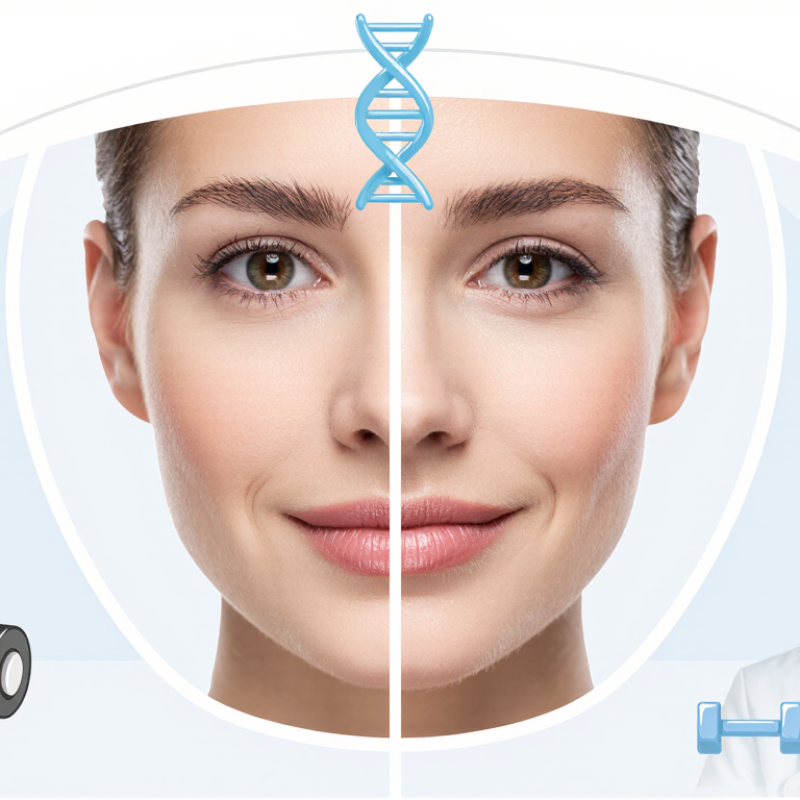
Facial skin tightening describes efforts to make loose or less firm facial skin look smoother and more supported. It is an appearance goal, not one single treatment. Skin firmness is influenced by collagen and elastin, which naturally change with age. Sun exposure, genetics, and weight changes can also affect how skin looks.
The phrase can sound more precise than it is. A cream, an energy-based treatment, and surgery work in different ways and have different limits, risks, and recovery times. Some non-surgical treatments may create gradual, modest changes; they cannot reliably reproduce surgical results. Small changes matter. For example, someone may notice a slightly sharper jawline in side-view photos, while another sees little difference.
A qualified dermatologist or plastic surgeon can assess skin quality, medical history, and realistic options. Ask what improvement is likely, how long it may take, and what side effects or downtime to expect. Before-and-after photos can help, but lighting and facial expression can distort comparisons. Even with careful planning, results vary. It is reasonable to pause if the expected change feels unclear or the proposed approach sounds guaranteed.
Facial skin rarely loses firmness all at once; changes often begin subtly around the cheeks, jawline, and eyes. As we age, skin produces less collagen and elastin, proteins that help it resist stretching and return to shape. Their structure also changes, while the skin’s outer layers may become thinner and drier. Small shifts in facial fat and underlying bone can alter support, too. It is gradual. A softer jawline is not simply a skin problem.
Repeated ultraviolet exposure can break down collagen over time, even when sun damage is not obvious. Smoking and some health or lifestyle factors may contribute, but effects vary from person to person. Genetics matter; so do hormonal changes, especially around menopause. There is no single timetable. It is easy to blame one new crease, though firmness usually changes across many seasons. That can make mirror comparisons misleading. A clinician can distinguish normal aging from conditions that deserve medical attention and explain realistic options. A change in texture may also reflect dryness rather than a lasting loss of support.
Facial skin tightening matters because skin does more than shape the face. It helps protect against moisture loss and everyday environmental stress. As collagen and elastin gradually change with age, skin may feel less firm around the cheeks, jawline, or neck. These shifts are common, not signs that something is wrong. That is normal.
Firmness can also affect how comfortable people feel in their own skin. Still, expectations should stay realistic: creams may support hydration and temporarily soften the look of fine lines, but they cannot reliably recreate lost structural support. Daily sun protection and gentle skin care help protect skin over time. Small habits count. A routine that causes burning or persistent redness is not necessarily working better; it may be irritating the skin.
The reasons for changes in firmness vary, including age, sun exposure, genetics, and shifts in body weight. A sudden change, unusual swelling, or a new skin concern deserves medical attention rather than a cosmetic guess. For treatments that act deeper than the skin’s surface, a qualified medical professional can explain likely benefits, risks, recovery, and whether the approach fits your health history. I would not treat every softer contour as a problem; personal comfort matters, and outcomes differ.
How to Understand Why Facial Skin Tightening Matters
Factors That Influence Skin Firmness
Facial firmness depends on more than age. Collagen and elastin support the skin, while hydration and facial fat distribution affect its appearance. A 2006 study in the American Journal of Pathology found that fibroblasts from aged skin produced about 68% less collagen than those from young skin. This helps explain why cheeks may feel less springy over time, though individual changes vary. Genetics and hormonal shifts also play a role. Not just age.
Daily exposure matters, too. A clinical study of 298 women, published in Clinical, Cosmetic and Investigational Dermatology, associated greater lifetime sun exposure with more visible facial aging. UV radiation can damage collagen, even when the sky looks hazy. Smoking and repeated weight changes may also influence skin quality, while sleep and nutrition support normal tissue maintenance. They are not switches. Some changes appear gradually; others seem to arrive suddenly in a mirror or photo. That impression is real, but it does not reveal the cause. A dermatologist can assess laxity, texture, and contributing factors before recommending care. No single number predicts how a face will age.
Why firmness changes: Collagen provides structural support for skin. Age-related changes, UV exposure, smoking, and hormonal shifts can affect collagen and elastin; daily sun protection and avoiding smoking can help limit preventable damage.
Illustrative model: assumes an approximately 1% annual decline in dermal collagen after early adulthood, with the index set to 100 at age 20. Individual changes vary; this is not a prediction or a direct measurement of facial firmness.
Facial firmness reflects collagen, elastin, hydration, and the support beneath the skin. No single cream can restore all of these. A 2013 clinical study of 298 women, published in Clinical, Cosmetic and Investigational Dermatology, estimated that sun exposure contributed to about 80% of visible facial aging signs in that group. It’s a useful reminder, not a universal prediction. Daily broad-spectrum SPF 30 or higher, as recommended by the American Academy of Dermatology, is a practical way to limit further UV damage.
At home, a retinoid may gradually improve fine lines and skin texture, though it cannot lift significantly loose skin. Start with a low-strength product a few nights per week; irritation is a reason to pause and seek medical advice. Small steps matter. Adequate sleep and a balanced diet support general health, but claims that supplements reliably tighten facial skin deserve skepticism. Be patient.
For more noticeable laxity, a board-certified dermatologist can discuss options such as radiofrequency or ultrasound-based treatments. Ask what degree of change is realistic, how many sessions may be needed, and what side effects to expect. Results vary, and non-surgical treatments usually produce more modest changes than surgery. It’s tempting to expect a treatment to erase years of change; that expectation deserves a closer look. A careful consultation should include your skin type, medical history, and tolerance for downtime.
| Approach | How It Supports Firmness | What to Expect | Important Considerations |
|---|---|---|---|
| Daily broad-spectrum sunscreen | Helps protect skin from ultraviolet radiation, which contributes to collagen and elastin damage over time. | Primarily helps limit further sun-related skin aging; it does not tighten existing loose skin. | Use a broad-spectrum product with SPF 30 or higher and reapply as directed, especially after swimming or sweating. |
| Topical retinoids | Some retinoids can support collagen production and improve the appearance of fine lines and sun-damaged skin with continued use. | Changes are gradual and generally modest; visible results may take several months. | May cause dryness, redness, or irritation. Introduce gradually and seek medical advice during pregnancy or when planning pregnancy. |
| Moisturizers | Help reduce water loss and improve the skin barrier, making the skin look smoother and temporarily more supple. | Can improve surface appearance, but do not substantially rebuild collagen or correct significant laxity. | Choose a formula suited to your skin and stop using it if irritation develops. |
| Radiofrequency or focused ultrasound procedures | Deliver energy into selected tissue depths to heat tissue and may stimulate gradual collagen remodeling. | Results vary and are usually gradual; more than one treatment may be recommended depending on the device and individual. | Possible effects include temporary redness, swelling, tenderness, or, less commonly, burns or other complications. Consult a qualified clinician. |
| Laser and other energy-based resurfacing | Selected treatments can improve texture and sun damage; some may also promote collagen remodeling. | Benefits depend on the device, treatment depth, skin condition, and treatment plan. They may not address substantial sagging. | Downtime and risks vary. Discuss pigmentation risk, healing time, and aftercare with a qualified professional. |
| Surgical lifting procedures | Can reposition and remove excess tissue to address more pronounced facial laxity. | Typically produces a more noticeable change than topical care or non-surgical treatments, but results and longevity vary. | Involves surgery, recovery, and risks such as bleeding, infection, scarring, or anesthesia complications. Requires consultation with a qualified surgeon. |
| Key point: Facial firmness changes with age, genetics, sun exposure, and other factors. No approach works equally for everyone, and non-surgical treatments cannot guarantee a specific result. A qualified dermatologist or other appropriately trained clinician can help assess options and risks. | |||
It describes efforts to make loose facial skin look smoother or more supported. It is an appearance goal, not one specific treatment.
Age-related changes in collagen and elastin can affect firmness. Sun exposure, genetics, and weight changes may also play a part. Everyone’s skin is different.
Creams may support hydration and temporarily soften fine lines. They cannot reliably restore deeper structural support or lift significantly loose skin. I might be expecting too much from a jar.
Broad-spectrum SPF 30 or higher can help limit further UV damage. Gentle skin care may also help. Burning is a warning sign, not proof that a routine is working.
It may gradually improve fine lines and texture, but it will not lift significantly loose skin. Starting with a low strength a few nights weekly may reduce irritation. Pause if your skin reacts.
A qualified medical professional may discuss radiofrequency or ultrasound-based treatments. Ask how much change is realistic, how many sessions may be needed, and what side effects or downtime to expect. Results vary.
Non-surgical treatments usually create more modest changes than surgery. They cannot reliably reproduce surgical results. The difference can be easy to underestimate.
A sudden change, unusual swelling, or a new skin concern deserves medical attention. For cosmetic options, discuss your health history and skin type with a qualified professional. Pause if the expected result feels unclear.
Facial skin tightening refers to the skin’s firmness, elasticity, and ability to maintain a smooth, supported appearance. Over time, natural changes in collagen and elastin, along with sun exposure, lifestyle habits, and environmental stress, can make facial skin feel less firm. These changes vary from person to person, and understanding them can help set realistic expectations about how skin may change with age.
Why is skin tightening important for the face? Firmness contributes to facial contours and the way skin looks and feels, so changes in tightness can affect overall appearance and personal confidence. Supporting facial skin firmness can involve consistent sun protection, gentle skincare, healthy daily habits, and seeking qualified professional guidance when appropriate. The best approach depends on individual skin needs, age, and preferences; there is no single solution that suits everyone.
