How to Tighten Skin With Home Beauty Tools?

Time:2026-10-04 Author:Liam
0%

Can home beauty tools really tighten skin? The answer is more nuanced than many product pages suggest. At-home radiofrequency, microcurrent, LED, and ultrasound devices may improve skin appearance, but their effects are usually modest and gradual. They cannot reproduce a surgical lift.

The American Society of Plastic Surgeons reported 83,720 facelift procedures in the United States in 2023. This figure shows continued demand for stronger, clinically delivered tightening results. Meanwhile, Grand View Research estimates that the global home-use beauty device market will continue expanding through the decade. Market growth is not proof of effectiveness. It mainly reflects consumer interest and wider product availability.

Dermatologist Dr. Hadley King explains, “At-home devices can provide benefits, but professional treatments generally deliver more dramatic and predictable results.” That distinction matters. A warm handheld device may leave cheeks feeling firmer after ten minutes. The visible change could also be temporary swelling or improved hydration.

Independent research remains uneven. Some small clinical studies report better texture, fine lines, or mild laxity after consistent use. However, sample sizes are often limited, follow-up periods are short, and device settings vary. FDA clearance, where applicable, indicates a specific safety or performance standard. It does not guarantee a dramatic tightening effect.

This guide examines how each technology works, what evidence supports it, and where expectations become unrealistic. Skin responds slowly. Results need measurement, not wishful thinking. Photos under identical lighting, careful instruction reading, and professional advice can reveal whether a routine genuinely helps. Some claims still deserve skepticism.
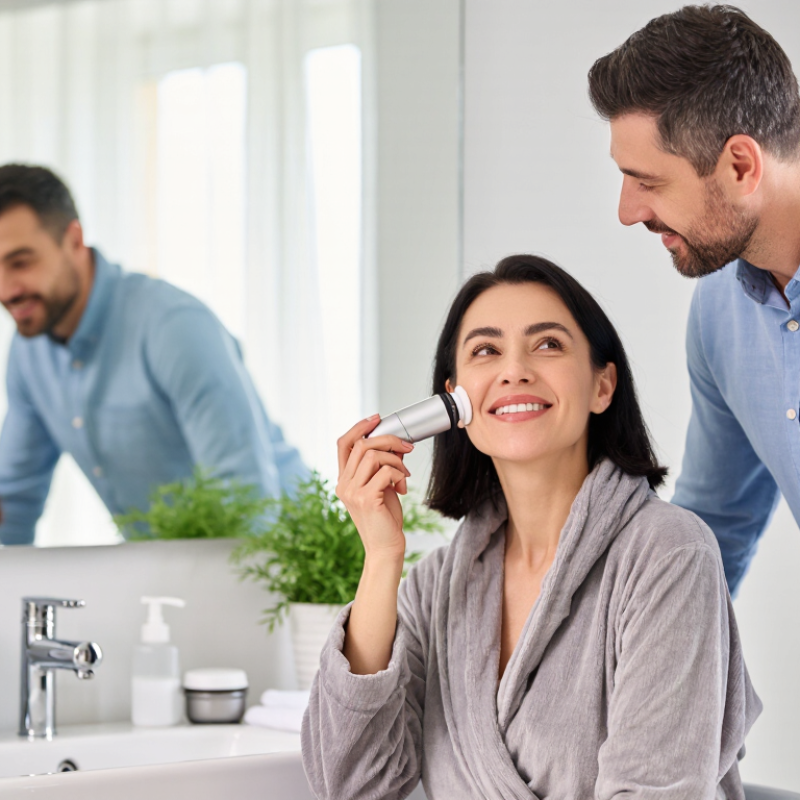
How to Tighten Skin With Home Beauty Tools?

Understanding How Home Beauty Tools Support Skin Tightening

How to Tighten Skin With Home Beauty Tools?

Understanding How Home Beauty Tools Support Skin Tightening

Home beauty tools may support firmer-looking skin, but they cannot recreate a clinic treatment. Their effects depend on energy level, consistency, and skin condition. Heat-based devices can temporarily improve circulation and create a smoother appearance. Microcurrent tools may stimulate facial muscles, although independent evidence remains limited. The skin does not transform overnight. A 2024 Grand View Research report estimated the global home-use beauty-device market at more than 18 billion U.S. dollars in 2023. This growth shows strong consumer interest, not guaranteed results.

Professional judgment matters. The U.S. Food and Drug Administration explains that 510(k) clearance indicates substantial equivalence to an existing device. It does not mean every marketing claim has been clinically proven. Peer-reviewed reviews also describe many home-device studies as small, short-term, or manufacturer-supported. That is worth questioning. Realistic users may notice temporary lift, better texture, or mild firmness after several weeks. Deep laxity usually needs professional assessment. Avoid damaged skin, excessive heat, and aggressive pressure.

Tips: Start with clean, dry skin. Follow the device’s timing instructions. Use gentle contact, especially near the eyes. Take monthly photos in identical lighting. Stop if burning, swelling, or persistent redness appears. People with implanted electronic devices, active skin disease, or recent procedures should seek medical advice first. Consistent sunscreen remains essential, because ultraviolet exposure weakens collagen and can undermine visible improvements.

Choosing the Right Tool for Your Skin Type and Goals

Choosing a device begins with your skin, not its appearance. For dry or sensitive skin, select gentle LED therapy or low-intensity microcurrent. Avoid aggressive cleansing brushes and strong heat. Use the lowest setting first. Stop if burning, swelling, or persistent redness appears.

For oily or acne-prone skin, prioritize cleanable surfaces and short sessions. Avoid tools that spread bacteria across active breakouts. Microcurrent may suit mild puffiness, but it cannot rebuild severely loose skin. Heat-based radiofrequency tools need extra caution, especially with implanted electronic devices or certain medical conditions. Consult a qualified dermatologist before use.

The American Society for Dermatologic Surgery’s 2023 Consumer Survey reported that 70% of respondents were bothered by facial lines and wrinkles. Its findings show strong interest in visible aging concerns, not proof that home devices deliver clinical tightening. Grand View Research estimated the global at-home beauty devices market at about 8.3 billion dollars in 2023, with continued growth expected. Bigger sales do not equal better evidence. A tool should have clear instructions, published safety information, and realistic claims. I underestimated how much technique matters. Clean skin, consistent sessions, and sunscreen often influence results more than expensive features. Some improvement may be temporary. That is easy to forget.

Preparing Your Skin Before Using a Beauty Device

Before using a home beauty device, prepare your skin rather than rushing into treatment. I used to think a clean face was enough. It was not. Wash your hands, remove makeup, sunscreen, and surface oil with a mild cleanser. Rinse with lukewarm water, then pat your skin dry with a fresh towel. Avoid scrubbing. Tiny abrasions can make heat, vibration, or electrical contact feel unpleasant.

Look closely at your skin under good lighting. Skip treatment over cuts, active rashes, painful acne, or areas that feel unusually sensitive. A small patch test can reveal irritation before it spreads across your face. Test the device on a discreet area and wait according to its instructions. This step feels slow, but redness is easier to manage on one cheek than everywhere.

Keep your routine simple before treatment. Strong exfoliating acids, retinoids, and heavily fragranced products may increase sensitivity. A light, fragrance-free moisturizer can help if your skin feels tight, but avoid a slippery layer unless the device instructions require it. Read the manual carefully, including recommended pressure, duration, and cleaning directions. More time does not always mean better results. A dermatologist can offer safer guidance when you have rosacea, persistent irritation, or a chronic skin condition. I still sometimes overprepare and use too many products, which is a mistake. Skin usually responds better to calm, clean, predictable care.

Following Safe Step-by-Step Techniques at Home

How to Tighten Skin With Home Beauty Tools?
Following Safe Step-by-Step Techniques at Home

Begin with clean, dry skin and freshly washed hands. Read the device instructions before turning it on. Check the tool for cracks, loose parts, or unusual heat. Use the lowest setting during your first session. Move it slowly over the face, following the recommended direction. Do not press hard. Gentle contact is enough. Avoid the eyelids, lips, broken skin, rashes, and areas with active irritation. Some tools require a conductive gel, while others should stay dry. Never guess. Follow the specific instructions.

Work in small sections, such as the cheek, jawline, and forehead. Keep the tool moving instead of holding it in one spot. Limit treatment time, even if the skin feels normal. Mild warmth can be expected, but sharp pain is not. Stop immediately after burning, swelling, blistering, or lasting redness appears. Clean the device after use, then apply a simple moisturizer. Wear sunscreen during the day. Results may look subtle or temporary, not dramatic.

Consistency matters more than intensity. I used to think stronger pressure meant better results. It only made my skin feel sore. That was a useful correction. Avoid using multiple exfoliating products on the same day. People with sensitive skin, implanted electronic devices, active skin conditions, or recent cosmetic procedures should ask a qualified clinician first. A dermatologist can also help match the tool to your skin and explain realistic expectations. Photographing the same area under similar lighting may reveal small changes that mirrors hide.

How to Tighten Skin With Home Beauty Tools? - Following Safe Step-by-Step Techniques at Home

Step Home Beauty Tool Main Purpose Safe Technique Suggested Session Typical Frequency Key Safety Check
1 Gentle facial cleanser Remove sunscreen, makeup, oil, and surface debris Use lukewarm water and clean fingertips; do not scrub aggressively 30–60 seconds Before each tool session Pat dry with a clean towel; avoid using tools over broken or infected skin
2 Facial massage roller or smooth massage tool Temporary reduction in puffiness and gentle massage Apply light pressure and move outward and upward without dragging the skin 3–5 minutes 2–4 times per week Stop if bruising, pain, persistent redness, or irritation appears
3 Microcurrent device Provides low-level electrical stimulation according to the device design Use only on clean skin with the conductive medium specified in the instructions; glide slowly without pressing hard Follow the device instructions, commonly 5–10 minutes Only as directed by the device manufacturer Do not use if pregnant, fitted with an implanted electronic device, or advised against electrical facial devices by a clinician
4 Home radiofrequency device Delivers controlled heat intended to support gradual skin-firming routines Keep the device moving; use the recommended conductive gel; never hold heat on one spot Use only the stated treatment time and temperature setting Follow the device instructions; do not increase frequency for faster results Avoid if you have metal implants in the treatment area, active skin disease, or reduced heat sensation unless a clinician approves
5 LED light device Uses specific light wavelengths for cosmetic skin-care purposes Place or hold the device at the recommended distance; protect the eyes when required Follow the stated exposure time, commonly 5–15 minutes Use only as directed Check for photosensitizing medicines or conditions; stop if eye discomfort, burning, or severe redness occurs
6 Hydrating moisturizer Reduce dryness and support the skin barrier Apply a thin, even layer using clean hands; avoid fragranced products if skin feels sensitive 1–2 minutes After every session and as needed Patch-test new products before applying them broadly
7 Broad-spectrum sunscreen Helps prevent ultraviolet-related collagen damage and premature skin aging Apply generously to exposed skin; reapply after swimming, sweating, or prolonged outdoor exposure Apply in the morning Daily Choose broad-spectrum SPF 30 or higher and use protective clothing or shade when possible
Important safety reminders: Home beauty tools may provide temporary cosmetic improvements, but they cannot reproduce professional lifting procedures. Read the device instructions, use one new tool at a time, avoid combining heat and exfoliating treatments on the same day, and stop immediately if you experience blistering, swelling, severe pain, or a persistent rash. Seek medical advice for concerning or lasting reactions.

Maintaining Results With Consistent Skincare and Healthy Habits

How to Tighten Skin With Home Beauty Tools?

Home beauty tools may support firmer-looking skin, but maintenance creates the visible difference. Gentle massage can temporarily reduce puffiness and improve circulation. LED devices may support skin appearance when used consistently and correctly. Microcurrent tools can create a short-term lifted effect, yet results vary widely. They do not replace professional treatment or daily sun protection.

Healthy habits protect those small improvements. Apply broad-spectrum SPF 30 or higher every morning, as recommended by the American Academy of Dermatology. A randomized study in the Annals of Internal Medicine found that daily sunscreen users showed 24% less skin aging after 4.5 years.

Use a simple moisturizer after cleansing. Adequate protein, regular sleep, and avoiding smoking also support skin structure. I used to expect dramatic changes from one session. That expectation was unrealistic. Progress is quieter, and sometimes uneven.

Tips: Use tools on clean, dry skin unless the instructions require a conductive gel. Keep pressure light around the cheeks and jawline. Stop if you feel burning, numbness, or prolonged redness.

Photograph your face monthly in the same window light. This reveals gradual changes better than a mirror. Check independent clinical evidence, device safety guidance, and contraindications before use. Consistency matters, but more intensity is not always better.

FAQS

How should I prepare my skin before using a home beauty device?

Wash your hands and remove makeup, sunscreen, and surface oil with a mild cleanser. Rinse with lukewarm water. Pat dry with a fresh towel. Avoid scrubbing. Tiny abrasions may increase discomfort.

Which skin areas should I avoid treating?

Avoid cuts, active rashes, painful acne, broken skin, eyelids, lips, and unusually sensitive areas. Do not treat through persistent irritation. Not worth the risk.

Should I perform a patch test before facial treatment?

Yes. Test the device on a discreet area and follow the manual’s waiting period. Check for redness, burning, swelling, or tenderness before treating your face. One cheek is easier to manage.

What skincare products should I avoid before treatment?

Avoid strong exfoliating acids, retinoids, and heavily fragranced products before using the device. They may make sensitive skin feel worse. A light, fragrance-free moisturizer can help tight skin, but slippery products may interfere.

What setting and pressure should beginners use?

Start with the lowest setting and use gentle contact. Move slowly over small sections, such as the cheek, jawline, and forehead. Harder pressure is not better. I learned that painfully.

How long should one treatment session last?

Follow the recommended duration in the instructions. Do not extend treatment because your skin feels normal. More time may increase irritation without improving results.

What symptoms mean I should stop immediately?

Stop after sharp pain, burning, swelling, blistering, or lasting redness appears. Mild warmth may be expected. Pain is different.

How should I care for my skin and device afterward?

Clean the device according to its instructions after each use. Apply a simple moisturizer and wear sunscreen during daytime. Avoid stacking several exfoliating products that day.

Who should seek professional advice before using a home beauty device?

Ask a qualified clinician if you have rosacea, chronic skin conditions, active irritation, or recent cosmetic procedures. People with implanted electronic devices should also ask beforehand. Professional guidance can prevent poor choices.

What results should I realistically expect?

Results may be subtle, temporary, or difficult to see in a mirror. Take photographs under similar lighting to compare small changes. Consistency matters more than intensity, though results still vary.

Conclusion

Can home beauty tools really tighten skin? They may help improve the appearance of firmness by supporting circulation, reducing temporary puffiness, and encouraging a more consistent skincare routine. However, results depend on the device, your skin type, your goals, and how regularly you use it. Choose tools designed for your needs, such as gentle options for sensitive skin or devices that focus on massage and surface stimulation. Avoid choosing based only on dramatic claims, and always follow the instructions provided with the tool.

Before use, cleanse your skin, remove makeup, and apply a suitable product if the device requires added slip. Work with light, controlled movements instead of pressing forcefully, and avoid irritated, broken, or inflamed areas. Afterward, moisturize and protect your skin from sun exposure. Long-term results are best supported by steady skincare, adequate hydration, balanced nutrition, quality sleep, and healthy daily habits. Consistency and realistic expectations are more valuable than overusing any device.

Liam

Liam

Liam is a dedicated marketing professional with a profound expertise in the industry, where he excels at highlighting the unique advantages of our core products. With a keen understanding of market trends and consumer needs, Liam frequently updates our company’s professional blog, providing......