Cleansing is a crucial step in any skincare routine. It helps remove dirt, oil, and impurities from the skin. Yet, many people wonder, "Why do my pores look bigger after cleansing?" This common concern can stem from various factors. Understanding these reasons is essential for anyone aiming for a smooth complexion.
One possibility is that cleansing can strip natural oils from your skin. When this happens, the skin may compensate by producing more oil. This excess oil can make pores appear more pronounced. Additionally, certain cleansing products may irritate the skin. This irritation can lead to inflammation, causing pores to swell and look larger.
Another reason could be the types of cleansers used. Harsh exfoliants can damage the skin’s barrier. Over time, this can result in enlarged pores. Identifying the right cleanser for your skin type is crucial. Reflecting on your skincare routine may reveal areas that need adjustments. A thoughtful approach can lead to healthier, more refined skin.
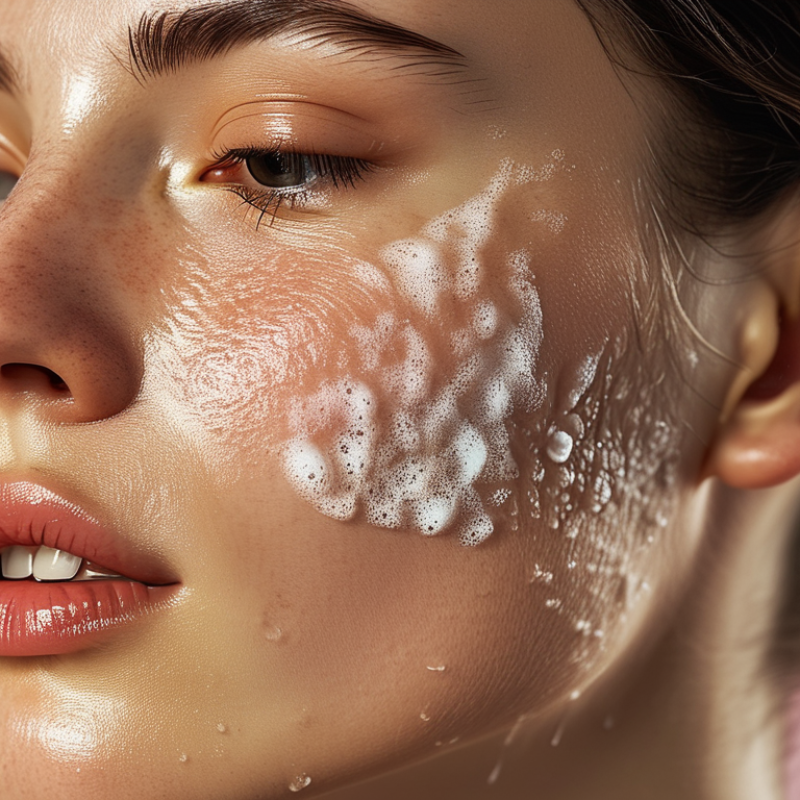
Cleansing is a crucial step in any skincare routine. However, it can paradoxically make pores appear larger. Why does this happen? One reason is that cleansing products can strip away natural oils. This can lead to dryness, prompting your skin to produce more oil. Excess oil can fill and stretch pores, giving them a larger appearance.
Moreover, over-cleansing can damage the skin barrier. When the barrier is compromised, your skin may react by dilating pores. This response can make them look more noticeable. It's essential to find a balanced cleansing routine that maintains hydration. Using gentle formulas can help. Pay attention to how your skin reacts after washing. You might discover that some products are harsher than they seem.
Another factor is how you cleanse. Rubbing your skin vigorously can lead to inflammation and a temporary increase in pore size. Gentle patting is often more effective. Every skin type is unique. What works for one person may not work for another, leading to the need for individualized approaches. Reflect on your current cleansing habits and consider adjusting them for healthier-looking pores.
| Reason | Description | Impact Level (1-5) |
|---|---|---|
| Excess Oil | Cleansing removes oils, which may cause pores to temporarily appear larger. | 3 |
| Over-Cleansing | Harsh cleansers can strip skin, leading to inflammation and enlarged pores. | 4 |
| Dirty Hands | Applying cleanser with unwashed hands can transfer dirt and bacteria. | 2 |
| Improper Exfoliation | Inadequate exfoliation can lead to dead skin buildup, clogging pores. | 5 |
| Temperature of Water | Hot water can dilate pores, making them appear larger while cleansing. | 4 |
| Product Residue | Leaving cleansing products on the skin can lead to irritation and enlarged pores. | 3 |
| Skin Type | Oily skin types may exhibit larger pores, especially after cleansing routines. | 5 |
| Age | Aging skin loses elasticity, which can contribute to the appearance of larger pores. | 4 |
| Weather Conditions | Humidity and environmental factors can cause temporary enlargement of pores. | 3 |
| Medication and Hormones | Certain medications or hormonal changes can affect skin oil production and pore size. | 5 |
: Cleansing agents can influence skin texture by stripping essential oils, which may lead to enlarged pores.
Over-cleansing can compromise the skin's barrier, resulting in dehydration and more visible pores.
Abrasive scrubs can cause micro-tears, leading to inflammation and accentuated pore visibility.
Residue can mix with oils and dirt, contributing to clogged pores and a less smooth appearance.
Humidity can cause skin swelling, making pores appear larger than they are.
Air pollution can clog the skin, worsening the look of pores and increasing their visibility.
Hot weather increases oil production, which can make pores look more pronounced, while cold weather can dry out skin.
Gentle exfoliation twice a week can maintain smooth skin and help reduce the appearance of pores.
Stress can trigger hormonal changes that boost oil production, affecting pore visibility negatively.
Meditation and yoga can help alleviate stress, contributing to a healthier skin appearance.
Cleansing is an essential part of a skincare routine, but many people wonder, "Why do my pores look bigger after cleansing?" This phenomenon can be attributed to several factors. First, the skin's natural oil production may temporarily increase after cleansing, causing pores to appear more prominent. Additionally, dead skin cells that are not fully removed during washing can accumulate and affect the texture of the skin, making pores more noticeable.
Moreover, the type of cleansing agents used can influence pore visibility; harsh cleansers may strip the skin too much, leading to an increase in oil production as the skin tries to compensate. Environmental factors, such as humidity and pollution, can also play a role in how pores look post-cleansing. Understanding these elements can help address concerns about pore appearance and enhance overall skincare effectiveness.

 Earts Beauty