Does Microcurrent Therapy Actually Lift Your Face?

Time:2026-03-20 Author:Oliver
0%

Microcurrent therapy has gained attention in the beauty industry for its promise to lift and rejuvenate the face. Many consumers wonder, "Does microcurrent really help with face lifting?" A recent report from the American Society of Aesthetic Plastic Surgery indicates that non-invasive procedures, like microcurrent therapy, have surged in popularity, increasing by over 25% in the past three years.

Dr. Lisa L. Adams, a renowned dermatologist, states, “Microcurrent treatments can stimulate facial muscles, leading to temporary lifting effects.” This highlights the therapy's potential benefits while also acknowledging its limitations. Many users report subtle results, raising questions about the long-term effectiveness of such treatments. Individuals seeking dramatic changes might find it hard to reconcile their expectations with reality.

While some studies suggest promising outcomes, not everyone experiences the same level of improvement. Personal results can vary widely. More rigorous research is needed to understand the complete picture. As the beauty industry evolves, it is crucial for consumers to remain informed and reflective about products like microcurrent therapy. Exploring both the hype and the reality of such treatments leads to more balanced decisions.
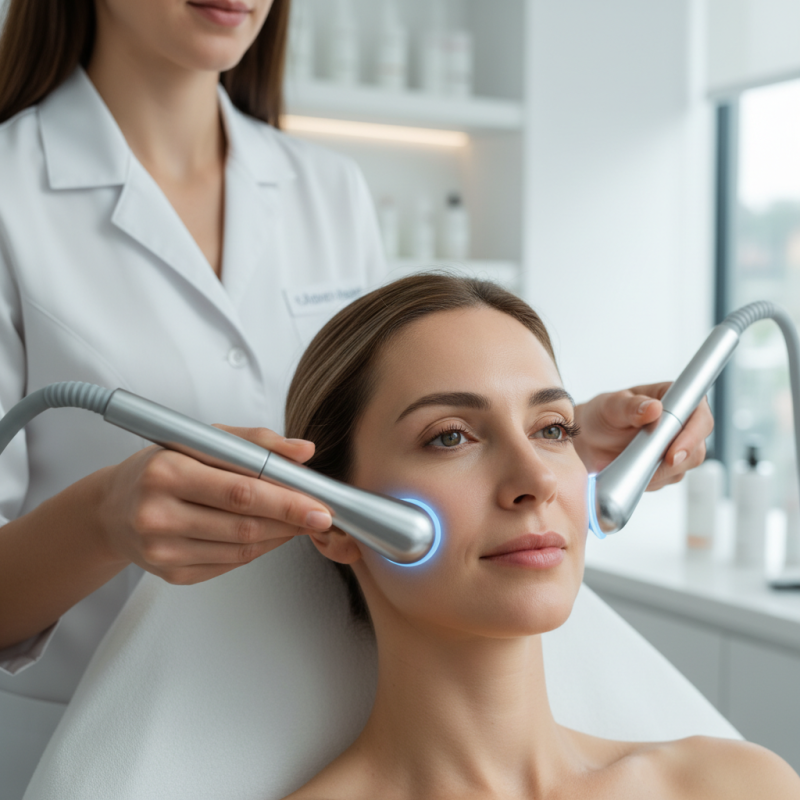
Does Microcurrent Therapy Actually Lift Your Face?

Understanding Microcurrent Therapy: Basics and Principles

Microcurrent therapy has gained attention for its potential to enhance facial appearance. This treatment involves low-level electrical currents. These currents mimic the body's natural electrical signals. They may stimulate muscle contractions in the face. This could lead to a lifting effect over time.

The science behind microcurrent therapy is intriguing. The process can enhance cellular energy, promoting skin rejuvenation. Many individuals report tighter skin and improved texture. However, results can vary widely. Some see significant changes, while others notice minimal effects. It's essential to approach this therapy with realistic expectations.

The process itself is often described as relaxing. During a session, gentle currents flow through specially placed electrodes. The sensation can be a light tingling or pulsing. While it's generally safe, not everyone may benefit equally. Individuals should consult with a professional beforehand. Understanding these nuances can lead to a more informed choice about microcurrent therapy.

How Microcurrent Therapy Claims to Lift and Firm the Face

Microcurrent therapy has gained attention for its potential to lift and firm the face. This treatment uses low-level electrical currents to stimulate facial muscles. The idea is to mimic the natural processes of the body, helping to rejuvenate the skin and promote collagen production. Clients often describe a tingling sensation during the procedure, which can feel both strange and soothing.

Many enthusiasts claim that after several sessions, their skin appears tighter and more youthful. Some users express newfound confidence with these results. However, not everyone experiences the same outcomes. Certain factors, such as skin type and age, can influence effectiveness. There are also discussions about whether the results last or require regular maintenance.

While the therapy promises a non-invasive approach, effectiveness can vary. It’s important to consider personal goals and expectations. Individuals should seek thorough information before committing. Each experience is unique, and reflecting on one’s journey is vital.

Scientific Evidence Supporting Microcurrent Therapy for Facial Treatment

Microcurrent therapy has gained attention in the beauty industry. Many claim it can lift and tone facial muscles. However, is there scientific evidence to support these claims? Studies indicate that microcurrent therapy can produce visible results in skin appearance and firmness.

Research published in the Journal of Clinical Aesthetic Dermatology found that after multiple sessions, 90% of participants reported an improvement in skin texture. These findings suggest a correlation between treatment and enhanced facial contours. Additionally, a study in Cosmetic Dermatology observed a 40% increase in collagen production from microcurrent use. This could mean smoother skin and a more youthful look.

While these statistics sound promising, responses to microcurrent therapy can be varied. Some individuals experience minimal effects, leaving them questioning the method's efficacy. It's essential to approach this treatment with realistic expectations. Personalized results may vary, influenced by factors like skin type and maintenance routines. Understanding these dynamics is crucial for anyone considering microcurrent therapy as a facial treatment option.

Potential Benefits and Risks of Microcurrent Facial Treatments

Microcurrent therapy has gained popularity as a non-invasive facial treatment. Users are curious about its benefits and potential risks. This technology aims to stimulate facial muscles and promote collagen production. Many report a temporary lift and improved skin texture after sessions. However, results may vary. Not everyone experiences noticeable changes.

When considering microcurrent therapy, be aware of individual skin types. A consultation with a skincare professional is advisable. Some people may find irritation or sensitivity after treatment. It's essential to listen to your skin and adjust accordingly. Are you prepared for possible side effects?

Tips: Always perform a patch test before trying new treatments. Stay hydrated to enhance results. Document your experiences to track progress. This process is personal and can differ widely from one person to another. Embrace the journey and accept imperfections along the way.

Comparison of Microcurrent Therapy with Other Face-Lifting Techniques

Microcurrent therapy has gained popularity in the realm of non-invasive face-lifting techniques. This method utilizes low-level electrical currents to stimulate facial muscles. Many users report a subtle lifting effect. However, how does it compare to other techniques?

Traditional facelifts provide dramatic results, but they require surgery and recovery time. Non-surgical options, like fillers, might offer immediate volume but lack longer-term muscle stimulation. Microcurrent therapy stands out for its ability to tone muscles without surgery. Yet, results can vary. Some may experience noticeable changes, while others see minimal effects.

**Tips:** If you're considering microcurrent therapy, research your options thoroughly. Consult professionals and ask about their techniques. Also, be realistic about your expectations. Not everyone achieves the same results. Regular sessions may be needed for the best outcome, as effects can diminish over time.

FAQS

: What is microcurrent therapy?

: Microcurrent therapy uses low-level electrical currents to stimulate facial muscles. It aims to lift and tone the skin.

What benefits can one expect from microcurrent therapy?

Many report improved skin texture and a temporary lift. Results can differ for each individual, though.

How effective is microcurrent therapy for everyone?

Effectiveness varies; some may notice significant changes, while others see minimal effects. Realistic expectations are important.

Are there any risks associated with microcurrent therapy?

Some individuals may experience irritation or sensitivity. It's crucial to listen to your skin's reactions after treatment.

How does microcurrent therapy compare to traditional facelifts?

Unlike traditional facelifts, microcurrent therapy is non-invasive and requires no recovery time, but results can be subtler.

Should I consult a professional before starting microcurrent therapy?

Yes, consulting a skincare professional helps understand potential benefits and risks based on your unique skin type.

How can I enhance the results of microcurrent therapy?

Stay hydrated, document your experiences, and perform patch tests before new treatments to track progress effectively.

Is microcurrent therapy a permanent solution?

No, effects can diminish over time. Regular sessions may be needed for sustained results, so plan accordingly.

Can everyone undergo microcurrent therapy?

Most can, but those with certain skin conditions should consult a professional first. Individual responses can vary significantly.

How often should I get microcurrent treatments?

Regular sessions are often recommended for best results, but individual needs may vary. Adjust frequency based on your experiences.

Conclusion

Microcurrent therapy has gained popularity as a non-invasive method for achieving a lifted and firmer appearance in the face. Understanding the basics of this therapy reveals that it uses low-level electrical currents to stimulate facial muscles and enhance skin tone. Proponents claim that microcurrent therapy can effectively lift and firm the face, thus leading to the common question: does microcurrent really help with face lifting?

While anecdotal evidence highlights potential benefits, such as improved skin texture and increased collagen production, scientific studies on its efficacy have yielded mixed results. Additionally, while microcurrent therapy may present fewer risks compared to surgical options, it is essential to consider individual skin types and conditions before pursuing treatment. A comparison with other face-lifting techniques illustrates that microcurrent therapy can be a complementary option, though results may vary from person to person.

Oliver

Oliver

Oliver is a seasoned marketing professional with a wealth of expertise in driving brand awareness and engagement. With a deep understanding of our company's product offerings, he consistently delivers high-quality content that enriches our professional blog. His insights not only shed light on......