How to Use At Home Beauty Devices Correctly?

Time:2026-09-19 Author:Liam
0%

At-home beauty devices can make a bathroom mirror feel like a treatment room. A glowing LED mask, cleansing brush, or microcurrent tool may look simple. It is not entirely simple. Skin reacts to pressure, heat, light, and repeated stimulation. Small mistakes can cause redness, dryness, or irritation.

So, what does How to use at-home beauty devices correctly really involve? It starts with realistic expectations and careful reading. Dermatologist Dr. Zoe Diana Draelos says, “Skin care is not a one-size-fits-all proposition.” Her point matters here. A device that suits oily, resilient skin may overwhelm sensitive skin. Your routine needs judgment, not enthusiasm alone.

Clean the device before use. Wash your face and dry it gently. Check the recommended duration, intensity, and contact method. Never press a device harder to chase faster results. That usually creates trouble. Keep treatments away from broken skin, active rashes, and irritated areas. Follow the manufacturer’s instructions, even when online advice sounds more exciting.

Patch testing can reveal problems early. Try a small area first, then observe your skin for a full day. Stop if you notice burning, swelling, persistent pain, or unusual discoloration. Seek professional guidance when symptoms continue. Certain medicines and skin conditions may also change what is safe. This is where many routines become imperfect. People often skip instructions after several successful uses. I understand the temptation, but consistency should include caution. The goal is healthier-looking skin, not the most intense session.
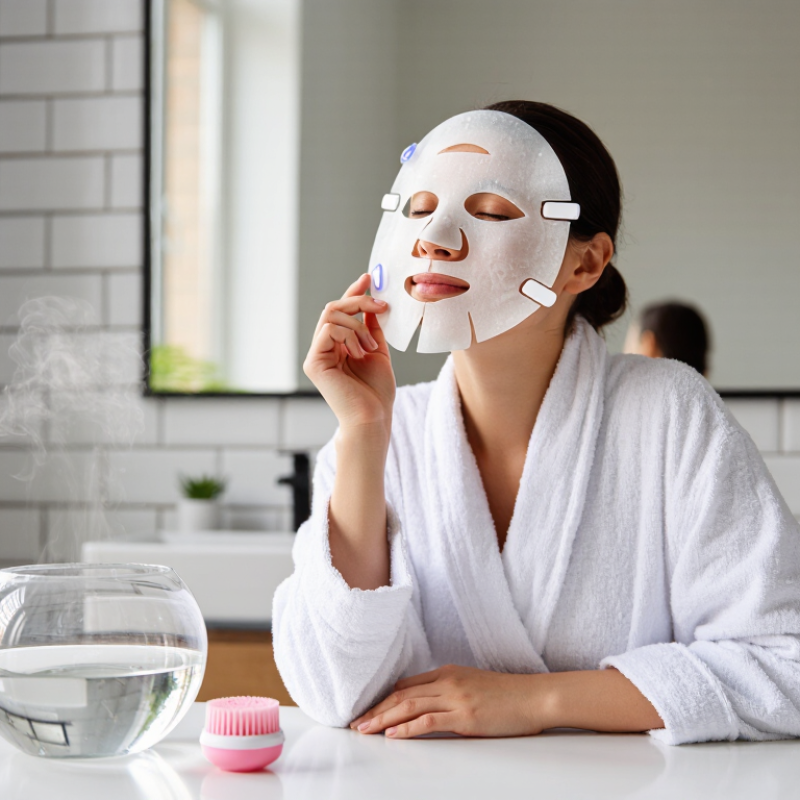
How to Use At Home Beauty Devices Correctly?

Choose the Right At-Home Beauty Device for Your Skin and Goals

Choosing the right at-home beauty device starts with your skin goal, not the device’s popularity. For smoother texture, gentle cleansing tools may help remove surface buildup. For temporary facial puffiness, cooling or massage devices can feel refreshing. Light-based devices target different concerns, but their wavelengths and safety features vary. Read the technical details carefully.

Your skin type matters. Sensitive or dry skin usually needs lower intensity and shorter sessions. Oily skin may tolerate cleansing devices better, but overuse can increase irritation. I once assumed stronger settings would produce faster results. My skin became tight and red instead. That mistake taught me to follow the instruction manual, not impatience. Begin with a small patch test.

Check the device’s material, cleaning method, power settings, and replacement requirements. A tool that is difficult to clean may collect residue and bacteria. Never use a device on broken, infected, or severely irritated skin. People with persistent acne, rosacea, pigmentation changes, or unusual moles should seek professional advice before treatment. Certain light or electrical devices may also be unsuitable with specific medications or medical conditions. Keep sessions consistent, but not excessive. Results often require several weeks. Your skin may respond differently than online reviews suggest. Rethink your choice if discomfort continues. You need the right match, not the most advanced-looking tool.

Read the Manual and Check Essential Safety Precautions

How to Use At Home Beauty Devices Correctly?

Read the manual before touching your skin. It explains energy levels, treatment areas, timing, and cleaning steps. The American Academy of Dermatology advises checking contraindications, protecting your eyes, and following device-specific instructions. Never assume a stronger setting works faster. It may increase irritation, burns, or uneven pigmentation. FDA’s MAUDE database contains millions of post-market device reports, reminding users that safety problems can occur outside clinical settings. Do not guess. Stop immediately if you feel sharp pain, unusual heat, or sudden vision changes.

Inspect the device for cracks, loose cables, or residue. Test a small area first, then wait for the period stated in the manual. Use clean, dry skin unless the instructions say otherwise. Avoid recently sunburned skin, open wounds, active rashes, and areas with suspicious moles. Some devices may be unsuitable during pregnancy, while taking photosensitizing medicines, or with certain skin conditions. Ask a qualified healthcare professional when instructions feel unclear. Small details matter. A 2023 review in the Journal of Cosmetic Dermatology reported that home-use light devices commonly caused temporary redness and discomfort, while more serious reactions remained possible.

Tips: Keep the manual nearby during treatment. Record the date, setting, and skin response. Clean the contact surface after every use. Do not share personal attachments. Store the device away from children, moisture, and direct heat. If irritation lasts beyond the manual’s stated timeframe, seek professional advice rather than treating again.

Prepare Your Skin and Device Before Each Treatment

How to Use At Home Beauty Devices Correctly?

Prepare Your Skin and Device Before Each Treatment

A safe treatment begins with clean, calm skin. Remove makeup, sunscreen, oil, and visible residue with a gentle cleanser. Pat your face dry with a clean towel. Do not treat cuts, active irritation, sunburn, or areas that feel unusually sensitive. The easy detail to miss is checking the device itself. Look for cracks, loose parts, moisture, or damaged cords before switching it on. Clean the treatment surface according to the manufacturer’s instructions, and never share an unclean device.

Tips: Wash your hands first. Use only the recommended gel or serum. Do not improvise with household products. If the device requires eye protection, place it correctly before treatment. A small patch test can reveal unexpected redness, especially when using a new setting or product. Wait and observe your skin.

Choose the lowest suitable intensity when you are learning. Follow the timing and movement guidance supplied with the device. Keep the treatment area still when required, or move slowly without pressing hard. Heat, tingling, or mild temporary redness may occur with some devices, but pain is a warning sign. Stop if your skin burns, swells, or feels sharply uncomfortable. People with persistent skin conditions, implanted electronic devices, or photosensitising medicines should seek advice from a qualified healthcare professional. Preparation can feel repetitive. It is still the part most likely to protect your skin.

Use the Device Correctly with the Recommended Settings

At-home beauty devices work best when their recommended settings become part of your routine, not an afterthought. Read the instructions before touching your skin. Check the suggested intensity, session length, and treatment frequency. Start with the lowest effective setting, especially during your first use. Clean, dry skin is usually easier to assess. Remove makeup, oil, and residue carefully.

Watch your skin while using the device. A mild, temporary warmth may be expected, but sharp pain, persistent redness, or swelling means you should stop. Never increase intensity because a lower setting feels slow. More power does not always mean better results. Keep the device moving if the instructions require movement, and avoid sensitive areas unless the manual specifically allows them. Use eye protection when recommended. Do not share a device without cleaning it properly.

Keep a simple treatment record. Note the setting, date, duration, and how your skin looked the next morning. This small habit reveals patterns that memory misses. I once treated too frequently because my skin seemed fine that evening. The dryness appeared later. That mistake changed my approach. Follow the recommended schedule, and give your skin time to respond. If you have a skin condition, take medication, or recently had a cosmetic procedure, ask a qualified healthcare professional before using the device. Instructions can vary, and guessing is not a reliable technique.

How to Use At Home Beauty Devices Correctly? - Use the Device Correctly with the Recommended Settings
Device Type Common Purpose Preparation Recommended Starting Settings Typical Use Schedule Correct Use Technique Key Safety Considerations
LED Light Therapy Mask May support the appearance of clearer skin, reduced redness, and improved skin texture. Cleanse and dry the skin. Remove makeup, sunscreen, and reflective jewelry. Use the device’s lowest intensity or preset program for 5–10 minutes. Usually 3–5 sessions per week, following the device manual. Position the mask evenly over the face. Keep the eyes protected if the device instructions require it. Do not use over photosensitizing products or medication without medical advice. Stop if you experience eye discomfort, burning, or persistent irritation.
Microcurrent Facial Device Designed to provide low-level electrical stimulation and temporarily improve the appearance of facial tone. Cleanse the skin and apply the conductive gel recommended for the device. Begin at the lowest intensity for 5 minutes; increase gradually only if comfortable. Commonly 3–5 times per week, with rest days if the skin feels sensitive. Glide the conductive surfaces slowly upward and outward. Do not drag the device across dry skin. Avoid use over the front of the neck, across the midline of the body, or on broken skin unless the manual specifically permits it. Do not use with an implanted electronic device without medical clearance.
Ultrasonic Skin Spatula Helps loosen surface debris and excess oil when used with water or a compatible water-based product. Cleanse the skin and keep it continuously wet during treatment. Use the lowest effective mode for 3–5 minutes per session. Usually once weekly; avoid repeated passes over the same area. Hold the spatula at the angle specified by the manual and move it gently without pressing. Do not use on active wounds, severe irritation, or inflamed lesions. Excessive pressure or frequency may increase dryness and sensitivity.
At-Home Radiofrequency Device Uses controlled heat to temporarily improve the appearance of skin firmness and texture. Cleanse and dry the skin. Apply the required conductive gel if specified. Start with the lowest heat or energy level and use for 5–10 minutes per treatment area. Often 1–3 times weekly, depending on the device’s instructions. Keep the treatment head moving continuously. The skin should feel comfortably warm, never painfully hot. Avoid the thyroid area, eyelids, damaged skin, and areas with reduced sensation. Stop immediately if there is sharp pain, blistering, or excessive heat.
Home IPL Hair-Removal Device Uses intense pulsed light to reduce the appearance of hair over a course of treatments. Shave the area, cleanse, and dry it. Complete a patch test at least 24 hours before the first full treatment. Begin with the lowest comfortable level that is permitted for your skin tone and hair color. Follow the manual; many programs begin weekly or every two weeks, followed by maintenance sessions. Place the treatment window flat against the skin and avoid overlapping flashes excessively. Do not use on tattoos, dark moles, very dark pigmented spots, or recently tanned skin. IPL may be unsuitable for very dark skin or very light, gray, red, or white hair; use only if the device confirms compatibility.
Facial Cleansing Brush Provides gentle mechanical cleansing and may help remove surface oil and makeup residue. Wet the face and apply a mild, non-abrasive cleanser. Use the lowest speed for 30–60 seconds total; avoid vigorous pressure. Start 2–3 times weekly and increase only if the skin remains comfortable. Use light circular motions and keep the brush moving. Rinse and dry the brush after every use. Avoid use on sunburn, active eczema, open skin, or highly inflamed acne. Overuse can cause irritation and weaken the skin barrier.
Facial Steamer Softens surface buildup and provides temporary hydration and comfort before cleansing. Clean the water reservoir and use the type of water specified by the manufacturer. Use for 5–10 minutes at a comfortable distance; steam should feel warm, not hot. Up to once weekly or occasionally as tolerated. Keep the face several inches away from the nozzle and move away immediately if the heat feels uncomfortable. Avoid if you have rosacea, heat-sensitive skin, or conditions aggravated by warmth unless a healthcare professional approves it. Never use boiling water directly on the face.
General safety note: These are conservative starting guidelines, not substitutes for the device’s official instructions. Always follow the supplied manual, perform a patch test when recommended, avoid using multiple intensive devices in the same session, and apply broad-spectrum sunscreen during daytime when using treatments that may increase sensitivity.

Clean, Store, and Monitor Your Skin After Treatment

How to Use At Home Beauty Devices Correctly?

Clean, Store, and Monitor Your Skin After Treatment

Safe use begins before the device touches your skin. Read the instructions carefully, and use only the recommended intensity. Wash your face with a gentle cleanser, then dry it with a clean towel. Remove makeup, oil, and sunscreen completely. Clean the device head before and after every session. A soft, slightly damp cloth usually works well, but avoid soaking electrical parts. I once underestimated this step. Residue can collect in tiny edges and irritate sensitive skin.

Tips: Keep a separate, clean storage pouch for the device. Let it dry fully before storing it. Do not place it beside wet towels, open cosmetics, or bathroom sinks. Check the cable, head, and surface for cracks. Replace damaged parts according to the instructions.

After treatment, observe your skin in natural light. Mild warmth or temporary redness may occur, but discomfort should not be ignored. Stop using the device if you notice burning, swelling, unusual pain, or lasting irritation. Apply a simple moisturizer, and avoid strong exfoliants immediately afterward. Record the date, setting, and skin response in your phone. This makes patterns easier to notice. If your skin keeps reacting, pause treatment and seek advice from a qualified dermatologist. The recommended routine may feel too cautious, but consistency matters more than intensity.

FAQS

How should I prepare my skin before using an at-home beauty device?

Wash away makeup, sunscreen, oil, and residue with a gentle cleanser. Pat your face dry with a clean towel. Clean skin is easier to assess.

Which areas should I avoid during treatment?

Avoid cuts, sunburn, active irritation, swelling, and unusually sensitive areas. Do not treat skin that already feels painful or raw.

What should I check on the device before turning it on?

Look for cracks, loose parts, moisture, or damaged cords. Clean the treatment surface as instructed. A small detail can prevent a larger problem.

What products can I use with the device?

Use only the recommended gel or serum. Do not substitute household products. Wash your hands before applying anything.

How should I choose the treatment intensity?

Start with the lowest suitable setting, especially during your first session. Follow the suggested timing and frequency. More power does not always mean better results.

What sensations are normal during treatment?

Mild warmth, tingling, or temporary redness may occur with some devices. Sharp pain is different. Stop if burning, swelling, or strong discomfort appears.

Should I perform a patch test?

Yes, especially with a new setting or product. Test a small area, then observe your skin. Redness may appear later, not immediately.

How can I track my skin’s response?

Record the date, setting, duration, and next-morning appearance. Photos can help. I once treated too often because my skin looked fine that evening. The dryness appeared later.

When should I seek professional advice?

Ask a qualified healthcare professional if you have a persistent skin condition, an implanted electronic device, or use photosensitising medicine. Seek advice after a recent cosmetic procedure. Guessing is not a reliable technique.

Conclusion

How to use at-home beauty devices correctly begins with selecting a device that matches your skin type, concerns, and treatment goals. Before use, read the instruction manual carefully and review all safety precautions, including recommended frequency, intensity, and areas to avoid. Cleanse and dry your skin, remove makeup or skincare residue, and make sure the device is clean, charged, and ready for use. If required, perform a small patch test before applying the treatment more broadly.

During each session, follow the recommended settings and move the device slowly and evenly without pressing too hard or using it longer than instructed. Avoid irritated, damaged, or sensitive areas unless the manual specifically allows treatment there. Afterward, clean the device, store it in a dry and protected place, and apply gentle skincare if appropriate. Monitor your skin for redness, discomfort, or unusual reactions, stop use if necessary, and seek professional advice when symptoms persist.

Liam

Liam

Liam is a dedicated marketing professional with a profound expertise in the industry, where he excels at highlighting the unique advantages of our core products. With a keen understanding of market trends and consumer needs, Liam frequently updates our company’s professional blog, providing......