How to Choose Safe Home Beauty Devices

Time:2026-11-03 Author:Aria
0%

Choosing a beauty device for home use can feel simpler than it is. A glossy box may promise smoother skin, brighter tone, or fewer visible hairs, but the right choice depends on the technology, your skin, and how carefully you can follow instructions. How to choose safe home beauty devices starts with checking what a product is designed to do—and whether its claims are specific, realistic, and supported by credible information. Look for clear instructions, warnings, cleaning guidance, and details about who should avoid using it. If these are missing, pause.

LED masks, intense pulsed light (IPL) devices, microcurrent tools, and radiofrequency devices work differently. Their risks and suitability vary. Check whether the manufacturer explains eye protection, treatment intervals, and skin-tone or hair-color limitations. A device that is safe for one person may not be suitable for another. A small patch test may help identify irritation, but it cannot rule out every reaction. Keep the device away from wet surfaces unless its instructions say otherwise, and stop if you feel unusual pain, burning, or persistent redness. Simple, but important.

This guide will compare safety features, explain how to assess product information, and outline questions to ask before buying. It will also cover when professional advice may be wiser, especially for people with sensitive skin, existing skin conditions, or medications that increase light sensitivity. Online reviews can offer useful clues, but they are not medical evidence. Even careful research has limits; I would not treat any checklist as a guarantee. The goal is a more informed choice, not a promise of risk-free results.
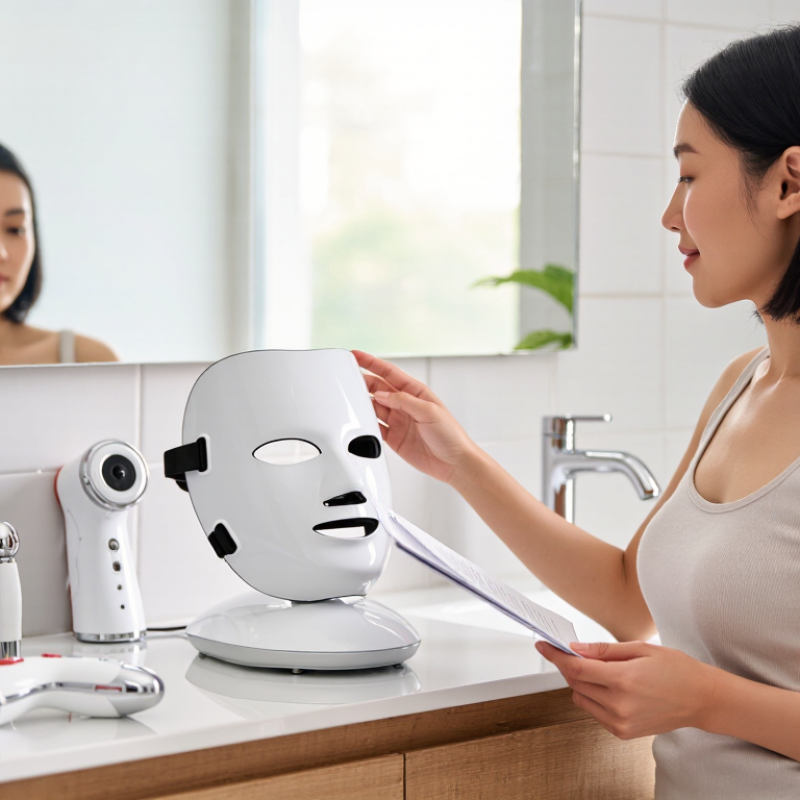
How to Choose Safe Home Beauty Devices

Identify the Device Type and Its Intended Use

Before comparing features, name the device’s method and intended use. An LED mask uses light; an IPL handset delivers intense pulsed light; a microcurrent tool sends low-level electrical current. These are not interchangeable. Check whether the device is meant for acne, hair reduction, skin appearance, or another specific purpose. The boundary is not always obvious.

Read the packaging and manual, not just the product category. Look for intended body areas, treatment frequency, eye protection, skin-tone cautions, and conditions that require avoiding use. A device described for cosmetic appearance should not be assumed to treat a medical condition. FDA guidance also distinguishes registration from clearance or approval; a listing alone does not establish that a device has been evaluated for a particular claim. Small print matters.

Market size is not proof of safety. Grand View Research estimated the broader beauty-devices market at USD 52.9 billion in 2023, but that figure does not measure effectiveness or risk. Compare it with the device’s stated use and supporting evidence. If instructions are vague, or the device claims to solve many unrelated problems, pause. I still find labels easy to misread. Ask a qualified clinician when the intended use conflicts with your skin condition, medication, or treatment plan.

Check Safety Certifications and Regulatory Status

A safety logo is useful only when it matches the exact device and model number in your hand. Check the label, packaging, and instructions for the certification name and issuing organization. Then verify the listing through that organization’s official database, if one is available. Look closely. A symbol printed on a box is not, by itself, proof that a device was independently tested.

Regulatory status can vary by country and by device type. A product may be registered, cleared, or certified for a specific purpose; those terms do not mean the same thing. Check the regulator’s own public records, and make sure the stated use matches the treatment you plan to perform. For example, a device cleared for one skin concern may not be assessed for another. In practice, labels can be confusing. I would pause if the seller makes broad medical claims but provides no verifiable documents, or if the model number differs across the device, manual, and listing. Ask the manufacturer for the relevant certificate or regulatory reference, then confirm it independently. Keep a copy of the instructions and stop using the device if its safety information is missing or unclear.

Assess Risks, Contraindications, and Skin Compatibility

A home beauty device can feel gentle and still irritate skin. Check what it does before buying: light, heat, electrical current, and abrasion carry different risks. Read the full instructions, including warnings and cleaning guidance. Do not assume a device is suitable because it is sold for home use.

Match the device to your skin and health history. Avoid using it on broken, inflamed, or sunburned skin. Some light devices may not suit people taking photosensitizing medicines; electrical-current devices may be unsuitable with implanted electronic devices. These restrictions vary, so check the manual and ask a healthcare professional if you are unsure, especially after a recent skin procedure.

Stop if you feel burning, sharp pain, or persistent redness. A mild sensation is not proof that treatment is safe. It is easy to mistake irritation for progress.

Tips: Test a small area first and wait a day to check for a reaction. Start at the lowest setting, use the recommended session time, and keep the device moving if instructed. Take a clear photo before trying a new routine. If your skin reacts, pause; pushing through can make things worse. I would rather miss a session than guess at a warning sign.

Compare Safety Features, Instructions, and Maintenance Needs

Safe home beauty devices are easier to compare when their safeguards are visible and specific. Look for clear temperature limits, an automatic shutoff, and a cord that sits firmly in its socket. Check that the label identifies the device’s intended use and required power supply. Small details matter. The National Fire Protection Association reported an average of 46,700 U.S. home structure fires involving electrical distribution or lighting equipment each year from 2015 to 2019. That figure is not specific to beauty devices, but it is a useful reminder to inspect plugs and cords (NFPA, Home Electrical Fires, 2021).

Read the instructions before the first treatment, not halfway through it. Confirm which skin areas to avoid, how long to use the device, and what to do if it feels unusually hot. Keep it dry. Follow the manual’s cleaning method; harsh cleaners can damage surfaces or seals. Unplug the device before wiping it, and never use it with a cracked casing, loose wire, or blocked vent. Store removable heads clean and dry. Replace worn parts only with compatible parts named in the instructions. A small weakness in this advice: manuals can be vague about wear. If a part looks damaged and the guidance is unclear, pause use and ask the seller or a qualified service professional.

Choose a Device That Fits Your Needs and Skill Level

How to Choose Safe Home Beauty Devices

Choose a device for the concern you actually want to address, not for the longest feature list. For occasional redness or acne-prone skin, a simple light device may be easier to use consistently than a complex tool with several modes. Check the intended skin type, treatment area, and required schedule before buying. The American Academy of Dermatology says laser hair removal typically takes two to six treatments. That guidance concerns professional treatment, not a promise that a home device will give the same result. Be cautious of claims promising fast, permanent changes.

Skill matters. A device that requires careful placement, timing, or eye protection may be a poor fit if you are unlikely to follow its instructions every time. Read the manual before use, test only as directed, and avoid treating irritated or broken skin. FDA guidance distinguishes devices cleared for specific uses from products with broader, unsupported claims; check the stated intended use rather than relying on a dramatic advertisement. Keep a plain log of settings and skin reactions. Small details count. I would also ask a dermatologist if you have a skin condition, take light-sensitive medication, or feel unsure about the instructions. It can be inconvenient, but guessing is worse.

How to Choose a Safe Home Beauty Device

Match the device to your concern and comfort with its instructions. The chart shows typical wavelength bands, not a safety rating; specifications vary by device and, for IPL, by filter.

Choosing a device: If you’re new to home treatments, look for clearly labeled settings and straightforward instructions. Check contraindications, use the recommended eye protection, and follow the manufacturer’s guidance for your skin tone and intended treatment.

FAQS

Are LED masks, IPL handsets, and microcurrent tools interchangeable?

No. They use different methods and serve different purposes. Check the device’s intended use before choosing one.

What should I check on the packaging and manual?

Look for intended body areas, treatment frequency, eye protection, skin-tone cautions, and situations when use should be avoided. Small print matters.

Does a product listing prove a device works for a specific concern?

No. A listing alone does not show that a device was evaluated for every advertised claim. Check its stated use and supporting evidence.

Can a cosmetic device be assumed to treat a medical condition?

No. A device described for cosmetic appearance should not be assumed to treat a medical condition. The boundary can feel unclear.

How do I choose a device that fits my needs?

Focus on your actual concern, intended skin type, and treatment area. A simple light device may be easier to use consistently than one with many modes.

Does professional laser treatment guidance guarantee similar home results?

No. Professional treatment may involve two to six sessions, but that does not promise the same results from a home device. Claims of fast, permanent change deserve caution.

What if using the device requires careful timing or placement?

Consider whether you can follow the instructions every time. Read the manual first, test only as directed, and keep a simple log of settings and skin reactions.

When should I ask a clinician before using a device?

Ask if you have a skin condition, take medication that increases light sensitivity, or feel unsure about the instructions. Guessing is worse.

Conclusion

How to choose safe home beauty devices begins with understanding what type of device you are considering and what it is designed to do. Check whether its safety certifications and regulatory status are clearly explained, and read the instructions before use. Consider possible risks, health conditions that may make the device unsuitable, and whether its method is compatible with your skin type and sensitivity.

Compare practical safety features, such as adjustable settings and clear guidance on safe use, along with the cleaning and maintenance the device requires. Choose an option that matches your needs and experience level rather than assuming a more powerful device is better. If you are unsure whether a device is appropriate for you, seek advice from a qualified health professional before using it.

Aria

Aria

Aria is a dedicated marketing professional with a deep passion for innovative strategies and a keen understanding of our company's product offerings. With a wealth of experience in the industry, Aria excels at crafting engaging content that highlights the unique features and benefits of our......