“How long does it take to see results from beauty tools” is rarely answered by one number. Results depend on the tool, treatment frequency, skin condition, and personal expectations. A warm LED mask may leave temporary brightness after one session, while visible texture changes often need several weeks. Hair-removal devices usually require repeated treatments because hair grows in different cycles.
Industry evidence supports patience. A 2024 Circana report showed continued growth in prestige beauty, reflecting strong consumer interest in at-home routines. However, sales growth does not prove that every device works quickly. Clinical research on home-use LED treatments often measures changes after eight to twelve weeks, not overnight. The American Academy of Dermatology also emphasizes consistent sunscreen use, because ultraviolet exposure can undermine progress from many skincare treatments.
Marketing can look impressively simple. Clinical outcomes are not. A device may promise smoother cheeks, less facial hair, or firmer skin, yet results can vary across skin tones, ages, and usage habits. One missed session may not matter. Repeatedly skipping treatments probably will.
This guide examines seven practical timing factors, including device technology, treatment cycles, product compatibility, and realistic progress markers. Look for gradual changes: fewer coarse hairs, calmer redness, or makeup sitting more evenly on the skin. Take photographs under the same bathroom light. Keep records. They are more reliable than memory.
Professional guidance matters, especially for sensitive skin or ongoing dermatological concerns. Manufacturer instructions should remain the starting point, not an optional suggestion. Beauty tools can support a routine, but they cannot replace diagnosis, medical treatment, or basic skin protection. Expect progress, not miracles.
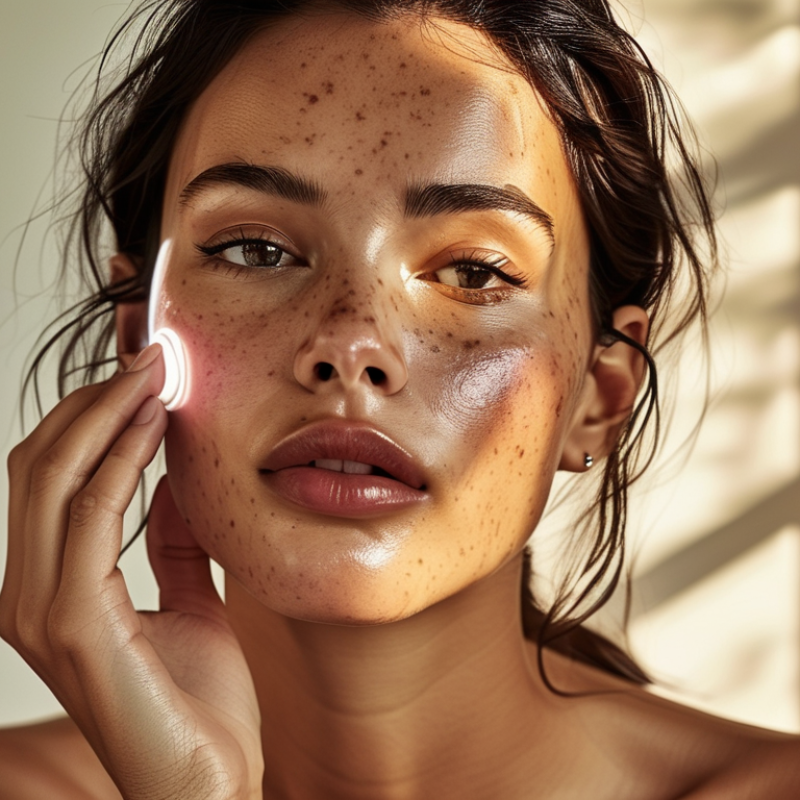
7 Tips How Long Until Beauty Tools Show Results?
Beauty tools create different effects because they use different forms of stimulation. Cleansing devices loosen surface oil and debris. Massage tools may reduce temporary puffiness by supporting fluid movement. Light-based devices can influence skin processes gradually, while hair-removal tools target the growth cycle. Results depend on skin type, device quality, technique, and regular use.
My own experience is that consistency matters more than dramatic sessions.
Define the result. Smoother skin may appear within days, but fine-line changes usually take several weeks.
Follow the recommended schedule. Using a tool too often can cause redness, dryness, or sensitivity.
Track changes with monthly photos in the same light. Memory is unreliable.
Expect temporary effects from massage or cooling tools. They may fade within hours.
Allow eight to twelve weeks for many light-based routines, unless qualified guidance suggests otherwise.
Stop when burning, swelling, or persistent irritation appears. A mild tingle is not proof that a tool works better.
Check professional advice before use if you have a skin condition, take photosensitizing medicine, or recently had a cosmetic procedure.
Results are not always linear. Sometimes skin looks worse before it settles, and that should prompt reflection, not forceful treatment.
7 Tips: How Long Until Beauty Tools Show Results?
Typical Timelines for Different Types of Beauty Tools
Beauty tools rarely transform skin overnight. Results depend on device type, treatment frequency, skin condition, and technique. Tip 1: Take a clear photo before treatment. Use the same lighting and angle weekly. The American Academy of Dermatology notes that acne-related improvements often require six to eight weeks. Tip 2: Give LED tools eight to twelve weeks. Peer-reviewed dermatology reviews commonly assess visible changes within this window. I have learned that a brighter mirror reflection can still be misleading.
Light-based hair-removal tools usually need three to six sessions. Clinical studies often space treatments four to eight weeks apart. Tip 3: Track reduced regrowth, not immediate smoothness. Hair cycles differ across body areas. Tip 4: Follow the recommended interval carefully. More frequent use does not guarantee faster progress. Microcurrent tools may create temporary lifting within minutes or hours. However, published clinical evidence remains limited and often involves small study groups. That deserves caution.
Cleansing devices may improve surface freshness after one use. Texture and congestion can require four to eight weeks. Tip 5: Watch for dryness, tightness, or redness. Tip 6: Reduce frequency when irritation appears. Tip 7: Reassess after twelve weeks using photos and comfort levels. Persistent burning, swelling, or unusual pigmentation requires professional medical advice. Results are not perfectly predictable. That is the honest part.
| Beauty Tool | Main Purpose | Early or Temporary Effects | Typical Visible Results | Time for More Consistent Results | Tip for Better Expectations |
|---|---|---|---|---|---|
| LED Light Therapy Device | Supports improvements in mild acne and the appearance of fine lines, depending on the light wavelength and device quality. | Some users notice calmer-looking skin or a temporary glow after several sessions. | 4–8 weeks | 8–12 weeks of regular use | Follow the device instructions consistently. Results are gradual and may vary with skin condition, treatment frequency, and light intensity. |
| Microcurrent Facial Device | Uses low-level electrical current to temporarily improve the appearance of facial tone and contour. | A subtle lifted or more defined appearance may be visible immediately, but it is usually temporary. | Immediately to several weeks | About 4–8 weeks with consistent use | Think of the immediate effect as temporary. Ongoing use is generally needed to maintain the appearance. |
| Facial Cleansing Brush | Helps remove surface oil, makeup residue, and dead skin cells during cleansing. | Smoother-feeling skin may occur after the first few uses. | 1–2 weeks | Several weeks, if appropriate for the skin | More pressure or longer use does not mean better results. Overuse can cause dryness, redness, or irritation, especially on sensitive skin. |
| Facial Steamer | Provides warm moisture that can temporarily soften the skin and loosen surface debris. | Skin may feel softer and look temporarily dewy after one session. | Immediately, but temporarily | No established long-term change | Steaming does not permanently shrink pores or replace cleansing and moisturizing. Avoid excessive heat and stop if irritation occurs. |
| At-Home Microneedling Tool | Creates controlled micro-injuries intended to support the appearance of skin texture and collagen remodeling. | Temporary redness, sensitivity, or mild swelling can occur after treatment. | 4–6 weeks | 3–6 months for collagen-related changes | Use only as directed and never on active infections or inflamed acne. Improper technique can cause scarring, pigmentation changes, or infection. |
| Home Radio-Frequency Device | Uses controlled heat to support the appearance of firmer-looking skin over time. | A temporary tightening or warming sensation may be noticed after a session. | 8–12 weeks | 3–6 months with regular use | Home devices generally produce subtler results than professional treatments. Use the recommended settings and avoid excessive heat. |
| Home IPL Hair-Reduction Device | Targets pigment in hair follicles to reduce visible hair growth over a series of treatments. | Hair may begin shedding or growing more slowly after several sessions. | 4–8 weeks | 8–16 weeks or longer | Results depend on hair color, skin tone, treatment schedule, and device suitability. It is usually less effective on very light hair and should not be used on unsuitable skin areas. |
| Important: Timelines are typical estimates, not guarantees. Skin type, age, the condition being treated, product quality, treatment settings, consistency, and overall health can all affect results. Follow the manufacturer’s safety instructions and seek professional advice if you have a skin condition, take photosensitizing medication, or experience persistent pain, swelling, burns, or irritation. | |||||
Beauty tools rarely work on a fixed schedule. In practice, results depend on seven connected factors: tool type, treatment intensity, technique, skin condition, routine, product compatibility, and personal biology. Gentle cleansing devices may improve surface smoothness within days, while tools supporting hair removal or skin firmness often require several weeks. The visible change can be subtle at first.
Consistency matters more than occasional long sessions. Use the tool as directed, because extra pressure or frequency may cause redness instead of faster progress. Clean contact surfaces carefully. Apply compatible skincare products, and avoid combining several irritating treatments on the same day. Skin hydration, sleep, age, and hormonal changes can also affect how quickly results appear. They are easy to overlook.
Keep a simple record. Take a photo in the same lighting every seven days. I once judged a routine after only one week, which was too soon and poorly measured. A baseline would have prevented that mistake.
Stop if you notice persistent burning, swelling, unusual pain, or worsening irritation. Seek advice from a qualified healthcare professional when symptoms continue. Results should look gradual, not dramatic overnight. If no meaningful change appears after the recommended trial period, review your technique, expectations, and the tool’s suitability for your skin.
How long until a beauty tool shows results? It depends on the tool, your skin, and your consistency. A safe routine matters more than chasing dramatic changes. In my own testing, rushing sessions caused redness, not faster improvement. That was an uncomfortable lesson.
Start with clean, dry skin unless the instructions say otherwise. Wash reusable parts after every session, then let them dry completely. Check the manual for timing, pressure, and approved treatment areas. Never share a tool that touches skin. Use the lowest comfortable setting. Gentle is enough. Patch-test new products or attachments on a small area for 24 hours. Skip treatment over cuts, active rashes, or painful inflammation. Stop if burning, swelling, or persistent redness appears. Seek qualified medical advice if symptoms continue.
Keep a simple log with dates, settings, and skin reactions. Take photos in the same window light every seven days. Small changes may appear within weeks, while texture or hair-related goals can take longer. Consistency does not mean daily use; overuse can weaken the skin barrier. I still miss sessions sometimes, so I plan two realistic appointments with myself each week. Review the routine after a month, and change only one variable at a time. Clear evidence beats memory.
Visible results depend on the tool, skin concern, usage consistency, and individual response. Use this chart as a practical review timeline rather than a guarantee.
Build a safe and consistent routine: follow the device instructions, start at the lowest comfortable intensity, avoid using multiple irritating tools on the same day, protect your skin from the sun, and track progress with photos taken under similar lighting. Stop if you experience persistent pain, blistering, swelling, or unusual skin changes.
Beauty tools rarely deliver visible change after one session. Skin needs time to respond, and the timeline depends on the device, concern, and your baseline health. The American Academy of Dermatology notes that acne treatments often need six to eight weeks before improvement becomes noticeable. Hair-reduction devices may require several treatment cycles because hair grows in different phases. Keep weekly photos in the same window and lighting. A bathroom mirror can mislead you.
Adjust your routine when redness lasts beyond a day, stinging increases, or dry patches spread. Reduce frequency before adding another product. Clean the device after use, replace worn attachments, and never press harder for faster results. I used to view missed sessions as failure. That was too simplistic. Consistency matters, but irritation can erase progress.
Seek professional advice when swelling, blistering, persistent pain, pigment changes, or eye discomfort appears. Stop using the tool first. The U.S. Food and Drug Administration explains that device clearance applies to a specific intended use, not every advertised result. A dermatologist can check whether the tool suits your skin tone, medication history, and condition. If there is no meaningful improvement after the recommended trial period, book an assessment rather than repeating sessions indefinitely. Professional guidance is especially important for suspected melasma, active infection, severe acne, or sudden hair loss. Also, ask who is qualified to operate the device. That question is not excessive.
: Timelines vary by tool, skin condition, technique, and treatment frequency. Overnight changes are uncommon.
Visible changes may require eight to twelve weeks of consistent use. Take weekly photos in the same lighting.
Acne-related changes often need six to eight weeks. One week is usually too soon.
Many users need three to six sessions. Sessions are often spaced four to eight weeks apart. Track slower regrowth, not instant smoothness.
They may create temporary lifting within minutes or hours. Evidence remains limited and often involves small study groups. Be cautious.
Skin may feel fresher after one use. Texture and congestion can take four to eight weeks. Watch for tightness.
Tool type, pressure, frequency, skin condition, sleep, hydration, and biology all matter. Hormonal changes can also alter progress.
Take a clear photo every seven days. Use the same angle, lighting, and distance. Mirror impressions can mislead.
Reduce frequency when redness, dryness, or tightness develops. Stop for persistent burning, swelling, unusual pain, or pigmentation changes. Seek qualified medical advice.
Reassess after the recommended trial period, often up to twelve weeks. Review technique, expectations, and skin compatibility. My earlier one-week judgment was unreliable.
Beauty tools can support healthier-looking skin, smoother texture, improved circulation, and more polished hair, but results depend on how each tool works and how consistently it is used. How long does it take to see results from beauty tools? Some effects, such as temporary brightness or reduced puffiness, may appear after one use, while changes in skin texture, firmness, or hair appearance often require several weeks of regular use. Gentle cleansing and massage tools may show gradual benefits, whereas devices designed to support deeper skin care may need more time and patience.
To build a safe routine, follow the tool’s instructions, begin with moderate frequency, keep the device clean, and avoid using it on irritated or damaged skin. Sleep, hydration, skincare habits, age, skin type, and technique can all influence progress. Track changes over time instead of expecting instant results, and adjust your routine if you notice discomfort, dryness, or sensitivity. If results remain unclear or skin concerns worsen, pause use and seek advice from a qualified professional.
