As the beauty industry evolves, many wonder, "Can home beauty tools really tighten skin?" New devices promise professional results at home. However, the efficacy of these tools remains debated. Dr. Sarah Kim, a leading dermatologist, states, “While some tools show promise, results can vary greatly between individuals.”
Many home devices use microcurrent technology or radiofrequency. These methods aim to stimulate collagen production. Users often report varying levels of satisfaction. Some experience a noticeable lift, while others see minimal change. The effectiveness can depend on skin type, age, and the specific device used.
It's crucial to approach these tools with realistic expectations. They may not replace professional treatments like facelifts. Home tools can complement a skincare regimen but require dedication. In a world filled with beauty promises, are we discerning enough? Understanding the science behind these devices is key to achieving our skin goals.
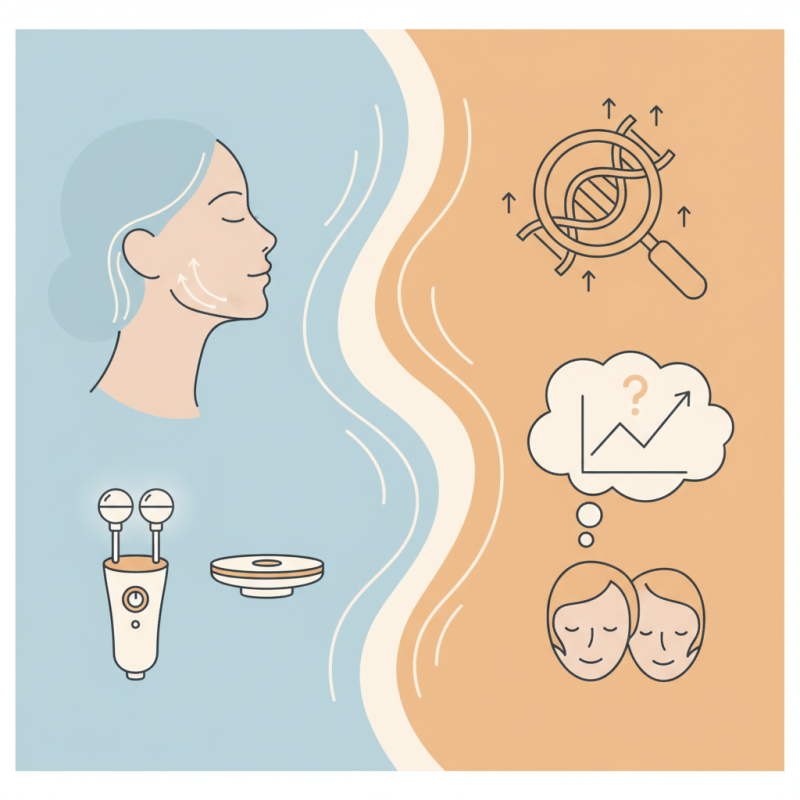
Effectiveness of Home Beauty Tools for Skin Tightening
Home beauty tools are gaining popularity for their potential to tighten skin. Many people seek non-invasive options for enhancing their appearance. Devices that promote collagen production are often marketed for this purpose. However, how effective are they really?
Some studies suggest that these tools may provide temporary tightening effects. For example, certain facial rollers can improve blood circulation and may lead to a firmer look. Yet, results can vary greatly between individuals. Factors such as skin type and age play a significant role in your outcome. It's essential to manage your expectations.
Furthermore, consistency is crucial when using these tools. Many users report minimal changes without regular use. Skin conditions and lifestyle choices can also impact results. Simple habits, like staying hydrated, should not be overlooked. While home beauty tools can be a part of a skincare routine, relying solely on them may not yield the desired results for everyone.
Types of Tools Used for Skin Tightening at Home
Home beauty tools are increasingly popular for skin tightening. Various devices claim to deliver results similar to professional treatments. These tools typically use techniques like microcurrent, radiofrequency, and LED therapy. According to a report from the American Society of Plastic Surgeons, minimally invasive skin tightening procedures grew by 25% over the past five years. This statistic shows the rising interest in non-surgical options.
Microcurrent devices target facial muscles. They simulate electrical currents, promoting collagen production. A study from the Journal of Cosmetic Science highlighted that regular use could lead to noticeable firmness within a few weeks. However, personal experiences vary. Some users report minimal changes.
Radiofrequency tools function by heating the skin's deeper layers. This method aims to stimulate collagen. A survey revealed that 62% of consumers are uncertain about the effectiveness of at-home treatments. This reflects a lack of clear results. LED masks, on the other hand, use light energy. While some users see improvements, others find no visible changes. The effectiveness of these tools largely depends on skin type and consistency of use.
Can Home Beauty Tools Really Tighten Skin Effectively?
Scientific Evidence Supporting Home Beauty Devices
The effectiveness of home beauty tools in tightening skin has gained attention in recent years. Scientific studies reveal that devices using technologies like radiofrequency and microcurrent can stimulate collagen production. According to a report from the Journal of Cosmetic Dermatology, 75% of participants saw noticeable skin tightening after using such devices regularly for eight weeks.
However, the results may vary among individuals. Some users reported minimal effects, questioning whether home devices can truly replace professional treatments. The American Academy of Dermatology emphasizes that consistency and method play significant roles in outcomes. It's essential to follow guidelines and understand that while some studies support these tools, not all users may experience the same benefits.
Moreover, a comprehensive market analysis indicates that the global market for at-home beauty devices is projected to grow by 20% over the next five years. Yet, consumers should approach these statistics with caution. Proper and realistic expectations are key. These devices can enhance skin appearance, but they may not address deeper skin concerns. Research is ongoing, as users seek more substantial evidence of efficacy and safety.
Possible Risks and Side Effects of Using Home Tools
Home beauty tools have gained popularity for tightening skin. However, using these devices is not without risks. Many users do not fully understand how to use them safely. Improper use can lead to irritation or even damage to the skin. Some tools include microcurrent devices, LED masks, and at-home rollers. Each has a different mechanism, and results can vary greatly.
Skin reactions are a common concern. Overuse may lead to redness or swelling. If not cleaned properly, tools can harbor bacteria, increasing the risk of infections. Users might feel tempted to push their limits, chasing instant results. In reality, gradual progress is often safer and more sustainable.
It's essential to research each tool thoroughly. Consult professionals or experienced users before starting a regimen. Expecting quick fixes can lead to disappointment. Effective skin tightening is a journey that requires patience and care. Taking the time to understand potential risks will help mitigate adverse effects. Finding the right balance is key to achieving desired outcomes without compromising skin health.
Tips for Maximizing Results with Home Beauty Devices
Home beauty tools have gained popularity for their promise to tighten skin and improve overall appearance. However, their effectiveness can vary based on usage and individual skin types. To maximize results, understanding how to properly use these devices is critical. Regular use according to guidelines is essential. Consistency is key for noticeable improvements.
Consider the environment when using these tools. Ensure your skin is clean and free from makeup. Using them after a warm shower can enhance effects. The warm water opens pores, allowing deeper penetration of products. Additionally, pairing tools with serums may boost results. Hydration is vital for skin elasticity, so don't skip moisturizer after treatments.
Finally, everyone’s skin reacts differently. The same tool may yield varying results for different users. Some may experience redness or irritation, indicating a need for adjustment. Experimentation is crucial, but patience is equally important. Overuse can lead to adverse effects, so listen to your skin. Finding the right balance takes time and reflection.
FAQS
: They are popular for tightening skin and enhancing appearance.
Some studies show temporary effects. Results can vary widely among users.
Skin type, age, and lifestyle all play a significant role in outcomes.
Yes, many users see minimal changes without regular use.
Improper use can cause irritation, redness, or skin damage.
Unclean tools can harbor bacteria and increase infection risk.
Yes, overuse may lead to swelling or adverse skin reactions.
Quick fixes are unrealistic. Gradual progress is usually safer and more effective.
Research thoroughly and consider consulting professionals or experienced users.
Find a balance, stay patient, and focus on a consistent skincare routine.
Conclusion
The question "Can home beauty tools really tighten skin?" has gained significant attention as more individuals seek at-home solutions for skin care. Home beauty tools, such as microcurrent devices, LED masks, and radiofrequency gadgets, offer the promise of enhancing skin tightness and overall appearance. The effectiveness of these tools varies, reliant on the technology employed and the frequency of use. While many users report positive outcomes, scientific evidence supporting their efficacy remains mixed, suggesting that results may not meet the expectations set by their marketing.
Moreover, there are potential risks and side effects associated with these devices, such as skin irritation or incorrect usage leading to suboptimal results. To maximize benefits, users are encouraged to follow guidelines such as maintaining consistent usage, understanding their skin type, and being mindful of any adverse reactions. Ultimately, while home beauty tools may offer some degree of skin tightening, their effectiveness largely depends on individual circumstances and adherence to recommended practices.

 Earts Beauty