Are home beauty devices safe for all skin types? The honest answer is more complicated than a simple yes or no. Home-use devices include LED masks, intense pulsed light systems, laser tools, radiofrequency wands, and microcurrent gadgets. Each technology interacts differently with melanin, blood vessels, skin thickness, and existing inflammation.
The U.S. Food and Drug Administration’s Medical Device Reports database records consumer complaints involving burns, pigmentation changes, eye injuries, and allergic reactions. These reports do not prove that every device is unsafe. They do show why marketing claims deserve careful examination. The American Academy of Dermatology warns that darker skin can develop post-inflammatory hyperpigmentation after heat or light-based treatments. A small red mark may become a brown patch for months. That possibility matters.
International safety standards, including IEC 60601-1 for medical electrical equipment, address device safety and performance. However, certification does not guarantee suitability for every complexion or condition. Skin of Color Society guidance also emphasizes cautious treatment for deeper skin tones, particularly with lasers and intense light. Results vary.
A patch test is not optional. It is a practical checkpoint. Test one small area, follow the recommended intensity, and wait for delayed irritation. Avoid treatment over open wounds, active eczema, or unexplained lesions. People using photosensitizing medicines should seek professional advice first. Even experienced users can misread heat as effectiveness. I have to acknowledge one limitation: long-term, independent data on many consumer devices remain incomplete. This guide examines the evidence, device technology, skin tone risks, and warning signs before answering the central question.
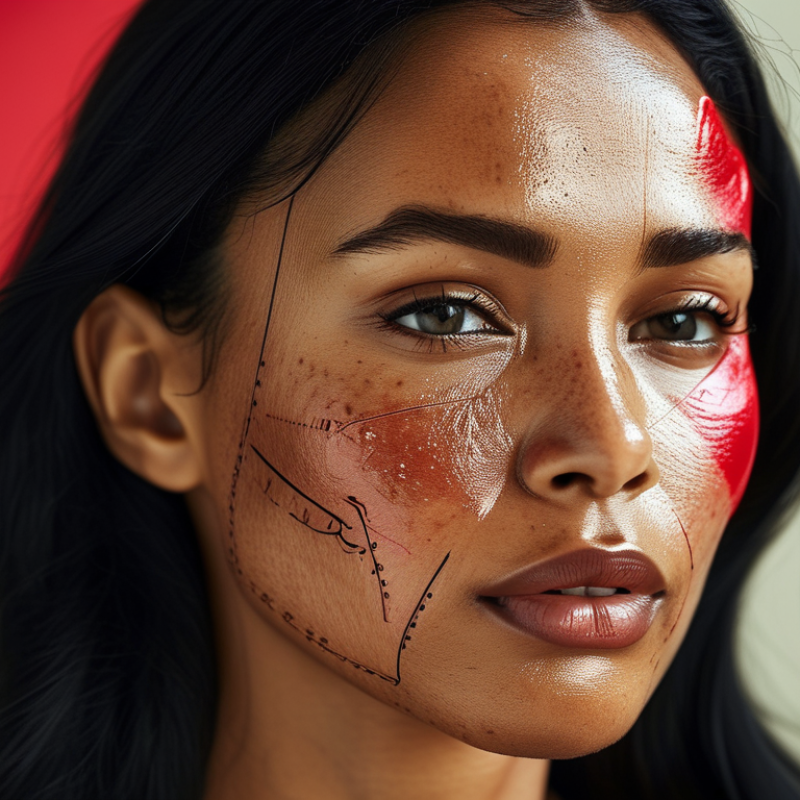
Home beauty devices are compact tools designed to deliver controlled energy to the skin. Their effects depend on the technology inside. LED devices use specific light wavelengths to support visible skin renewal. Microcurrent tools deliver mild electrical signals across the surface. Ultrasonic devices use rapid vibrations to help loosen surface debris. Radiofrequency devices create gentle heat in deeper skin layers.
They are not all the same. Lower power does not mean zero risk. In my experience, users often focus on stronger settings and ignore preparation. Clean, dry skin usually gives more predictable results. A thin layer of suitable gel may improve contact for some electrical or ultrasonic tools. Follow the device instructions carefully. More time is not always better.
Skin type also changes the safety picture. Sensitive skin may react with redness, stinging, or dryness. Darker skin tones need extra caution with heat and light-based devices, especially after irritation. Patch-test a small area first. Avoid damaged skin, active rashes, and recently treated areas unless a qualified professional approves use. People with implanted electronic devices, certain medical conditions, or ongoing medication should seek professional advice beforehand. I once assumed a gentle feeling meant a harmless treatment. That assumption was too simple. Stop if discomfort continues, and record how your skin responds over several uses.
| Device Type | How It Works | Common Home Uses | Skin-Type Suitability | Main Safety Considerations | Overall Safety Profile |
|---|---|---|---|---|---|
| LED Light Therapy | Uses non-ultraviolet visible light, commonly red or near-infrared light for photobiomodulation and blue light for acne-related bacterial activity. | Mild acne, temporary redness, and the appearance of fine lines. | Generally suitable for most skin tones because it does not rely on melanin to absorb intense heat. | Use eye protection when required. Seek medical advice if taking photosensitizing medication or if light-sensitive conditions are present. Avoid use over suspicious lesions. | Usually low risk when used according to the instructions. |
| At-Home IPL | Broad-spectrum flashes are absorbed mainly by melanin in hair follicles, producing heat that can reduce hair growth over time. | Hair reduction on suitable areas of the body. | Most effective when there is clear contrast between darker hair and lighter skin. Suitability decreases as skin contains more melanin. | Higher risk of burns, blistering, or pigment changes on dark or recently tanned skin. Do not use over tattoos, very dark lesions, or areas with active infection. Follow the device’s skin-tone limitations. | Conditional risk; not appropriate for every skin tone or hair color. |
| Low-Power Laser Hair-Removal Device | Uses a more concentrated light beam than IPL to heat pigment in the hair follicle and impair regrowth. | Gradual reduction of unwanted hair. | Usually works best with darker hair and lighter skin; performance varies with the device and skin tone. | Incorrect use may cause burns or temporary or permanent pigment changes. Avoid use on tattoos and pigmented lesions unless the instructions specifically allow it. | Conditional risk; careful skin-tone assessment is important. |
| Radiofrequency (RF) | Delivers radiofrequency energy that warms deeper skin tissue, producing temporary tightening and remodeling effects. | The appearance of mild laxity, fine lines, and uneven texture. | Generally usable across a wide range of skin tones because the energy is not primarily absorbed by epidermal melanin. | Excessive heat can cause burns. Avoid use over open wounds, active skin disease, implanted electronic devices, or areas with reduced sensation. Follow medical restrictions and product instructions. | Moderate caution; temperature control and correct contact are essential. |
| Microcurrent | Applies very low electrical currents to the skin and underlying facial muscles to create temporary toning or lifting effects. | Temporary improvement in the appearance of facial firmness and contour. | Usually compatible with different skin tones because it does not target melanin. | Avoid with pacemakers, implanted electronic devices, seizure disorders, or certain medical conditions unless cleared by a clinician. Do not use over broken or infected skin. | Generally low risk with contraindications; electrical safety matters more than skin tone. |
| Ultrasonic Skin Device | Uses high-frequency sound waves for cleansing, product delivery, or mild tissue stimulation, depending on the device design. | Surface cleansing and temporary improvement in skin smoothness. | Generally suitable for most skin tones when used gently and on intact skin. | Overuse may cause irritation or dryness. Avoid active infections, open wounds, severe inflammatory acne, and areas with reduced sensation. | Usually low risk; irritation is more likely than serious injury. |
| Microneedling Roller or Pen | Creates controlled microscopic punctures that trigger a wound-healing response and may stimulate collagen production. | Texture and the appearance of some superficial scars or fine lines. | Can be used on many skin tones, but darker skin has a greater risk of post-inflammatory hyperpigmentation after injury. | Risks include infection, scarring, irritation, and pigment changes. Do not use over active acne, eczema, psoriasis, cold sores, or untreated skin infection. Sterilization and needle depth are critical. | Higher caution; professional treatment may be safer for deeper or darker-skin concerns. |
| Vacuum Facial Device | Uses suction to lift the skin surface and temporarily increase local blood flow or remove superficial debris. | Temporary decongestion and surface cleansing. | May be used on many skin tones, but sensitive or fragile skin may react poorly to suction. | Excessive suction can cause bruising, broken capillaries, swelling, or irritation. Avoid use over rosacea flares, active acne, wounds, and inflamed skin. | Moderate caution; pressure and duration should be kept low. |
They use controlled energy on the skin. LED uses light, microcurrent uses mild signals, and ultrasonic tools use vibration. Radiofrequency creates gentle heat.
No. Oily, dry, sensitive, and darker skin may need different settings. One device cannot suit everyone.
Start with clean, dry skin. Some electrical or ultrasonic tools may need a suitable gel. Follow the instructions carefully.
Not always. Higher intensity may cause more redness, dryness, or irritation. More time is not automatically better.
Use extra caution with heat, lasers, and intense light. Inflammation may leave lasting dark marks. Professional advice can help assess pigment risk.
Patch-test a small jawline area for 48 hours. Watch for stinging, tightness, redness, or unusual dryness.
Avoid cuts, active rashes, eczema flares, damaged skin, and suspicious moles. Recently treated areas may also need professional approval.
Ask a qualified professional if you have an implanted electronic device, certain medical conditions, or ongoing medication. A gentle feeling does not prove complete safety.
Record redness, dryness, discomfort, and recovery time. Stop if discomfort continues. If irritation lasts beyond one day, reconsider the device.
Home beauty devices include tools that use light, heat, electrical currents, vibration, or gentle exfoliation to support skincare routines at home. Their effects can vary depending on skin tone, sensitivity, oiliness, dryness, and existing concerns. Some people may benefit from devices that help improve the appearance of dullness, uneven texture, or mild congestion, while others may experience irritation, redness, dryness, or unwanted pigmentation changes. Therefore, the question “Are home beauty devices safe for all skin types” does not have a universal yes-or-no answer.
Choosing the right device requires understanding its technology, intensity settings, and suitability for your skin type. A patch test, clean skin, protective equipment when needed, and careful adherence to usage instructions can reduce risks. Users should begin with low intensity and limited frequency, avoid treating irritated or damaged areas, and stop if discomfort occurs. People with persistent skin conditions, unusual reactions, or uncertainty about compatibility should seek professional advice before use.

 Earts Beauty