The question "Does deep cleansing help with skin problems?" draws significant attention in the skincare industry. According to the American Academy of Dermatology, nearly 50 million Americans experience acne annually, making effective cleansing vital. Deep cleansing aims to remove dirt, oil, and dead skin cells, potentially alleviating these issues. However, experts have varying opinions on its efficacy.
Dr. Jane Smith, a leading dermatologist, states, “Deep cleansing can help, but it's not a cure-all for skin issues.” This highlights the complexity of skincare. While deep cleansing may provide temporary relief, over-stripping the skin can lead to increased oil production and irritation. The balance between cleansing and maintaining skin barrier integrity is delicate.
Additionally, while many products advertise deep cleansing benefits, their effectiveness often depends on individual skin types. For instance, those with sensitive skin may find harsh deep cleansers aggravate their condition rather than improve it. Thus, while deep cleansing can be beneficial, it is not universally effective for all skin problems. Further research and personalized approaches are essential for optimal results.
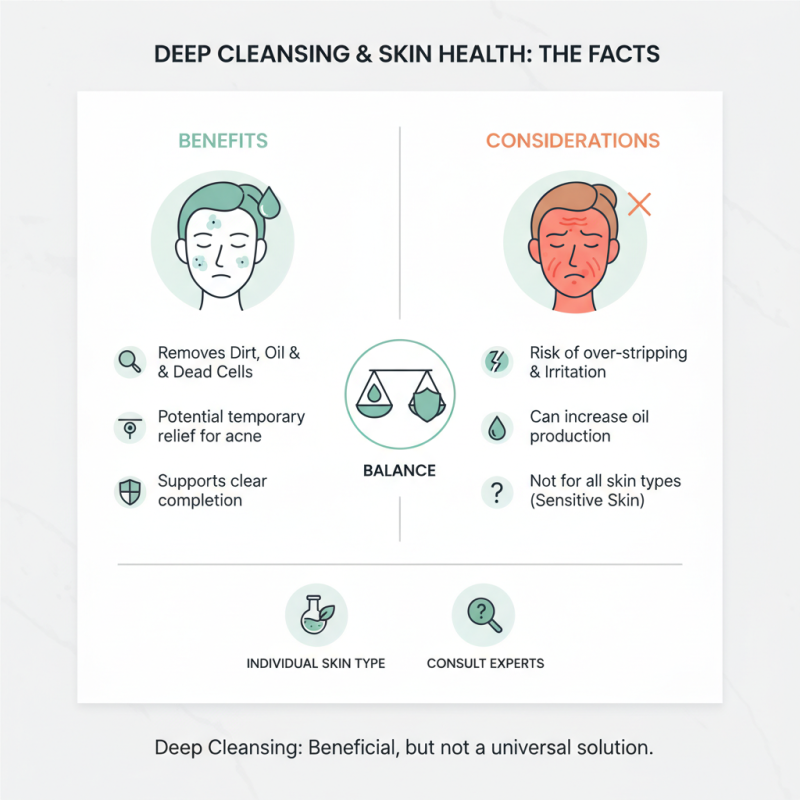
An Overview of Deep Cleansing for Skin Health
Deep cleansing is a popular method for promoting skin health. It encourages a fresh complexion by removing impurities, excess oils, and dead skin cells. Many people find this treatment beneficial. However, results can vary greatly from person to person. Some may experience breakouts or irritation after deep cleansing. It's essential to understand your skin type before trying new regimes.
For effective deep cleansing, consider these tips:
- Always use gentle, soothing products.
- Harsh ingredients can strip the skin of its moisture and create imbalance.
- Don't forget to hydrate afterward.
- Moisturizing helps maintain the skin's natural barrier.
- Regular exfoliation is key but avoid overdoing it—once or twice a week may suffice.
- Listen to your skin, as every face is unique.
Deep cleansing does not work magic overnight. Be patient and adjust your routine as you go. If your skin flares up, reflect on the products used. Did you choose the right one? Not every deep cleansing method suits everyone. Don't hesitate to consult a professional for personalized advice.
Common Skin Problems Addressed by Deep Cleansing
Deep cleansing can target several common skin problems effectively. Many people struggle with acne, blackheads, or excessive oiliness. These issues often stem from clogged pores. Deep cleansing helps to remove impurities and build-up. It can make a noticeable difference if done correctly.
Another common skin concern is dullness. A lack of exfoliation leads to a tired appearance. Deep cleansing can revitalize the skin by removing dead cells and allowing fresh cells to emerge. People often notice a glow after a few sessions. However, overdoing it can harm the skin barrier. Finding the right balance is crucial for healthy skin.
People should also consider that individual skin types vary. Not all deep cleansing methods suit everyone. Sensitive skin may react poorly to aggressive techniques. It might be necessary to test different approaches. Reflecting on one’s skin needs can lead to better outcomes. Ultimately, deep cleansing holds potential but requires careful thought and execution.
Does Deep Cleansing Help with Skin Problems Effectively? - Common Skin Problems Addressed by Deep Cleansing
| Skin Problem |
Effectiveness of Deep Cleansing |
Recommended Frequency |
Additional Treatments |
| Acne |
High |
2-3 times per week |
Topical Retinoids, Benzoyl Peroxide |
| Oily Skin |
Moderate |
1-2 times per week |
Clay Masks, AHA Exfoliants |
| Dry Skin |
Low |
Once a week |
Hydrating Masks, Moisturizers |
| Blackheads |
High |
2 times per week |
Salicylic Acid, Pore Strips |
| Dull Skin |
Moderate |
Once a week |
Exfoliants, Vitamin C Serums |
Mechanisms of Action: How Deep Cleansing Affects Skin
Deep cleansing plays a significant role in managing skin health. It targets impurities that reside deep within pores. These impurities can cause various skin problems, such as acne and dullness. By removing dirt, oil, and dead skin cells, deep cleansing helps maintain a clear complexion. It can feel refreshing and invigorating.
The mechanisms behind deep cleansing are quite fascinating. For instance, certain ingredients can penetrate the skin's layers. They work to dissolve excess oil and eliminate debris. This process can lead to a smoother texture and a brighter appearance. However, over-cleansing can also strip essential oils. This may lead to dryness or irritation, creating a cycle of skin frustration.
It's essential to find balance when deep cleansing. Listening to your skin's needs is crucial. Not every type of cleanser suits everyone. Incorporating deep cleansing into a routine may require adjustments. Observing how your skin reacts after each session can help refine your approach. This journey of exploration is vital for achieving long-lasting results.
Comparative Effectiveness of Deep Cleansing Methods
Deep cleansing methods can vary in effectiveness for skin problems.
Some people find success with mechanical exfoliation, such as scrubs and brushes. These tools can slough away dead skin but may irritate sensitive skin. It's essential to choose the right intensity for your skin type. Rushing this process can lead to micro-abrasions or redness.
Chemical exfoliation is another option. Ingredients like salicylic or glycolic acid are popular. They penetrate deeper and can help with acne and oiliness. However, overuse can cause dryness and peeling. Finding the right balance is crucial. Some may overestimate their skin's tolerance, leading to adverse effects.
Some cleansing methods, such as steam treatments, can be soothing and promote circulation.
Yet, they are not a one-size-fits-all solution. Steam can lead to increased oil production for some. It's worth noting that deeper cleansing doesn't always equal better results. Listening to your skin's needs is vital. Adjusting your routine based on real-time feedback can lead to more effective care.
Potential Risks and Considerations in Deep Cleansing Practices
Deep cleansing can promise clear skin, but it comes with potential risks. Over-cleansing may strip your skin of essential oils. This can lead to dryness and irritation. Sensitive skin types are particularly vulnerable. Be cautious about how often you deep cleanse.
Tips for deep cleansing: Start slow. Test your skin’s reaction before committing to a routine. Look for signs like redness or tightness. If you notice these, reduce the frequency or switch products. Not all skin reacts the same way.
Another concern is the use of harsh scrubs. These can create micro-tears in the skin. Instead, opt for gentle exfoliation methods. Consider using a soft cloth or a mild chemical exfoliant. Always listen to your skin. If it feels uncomfortable, it’s time to rethink your approach.
Effectiveness of Deep Cleansing on Common Skin Problems
This chart illustrates the perceived effectiveness of deep cleansing in addressing various skin problems based on survey data from skincare professionals.
Conclusion
The article titled "Does Deep Cleansing Help with Skin Problems Effectively?" explores the various aspects of deep cleansing and its impact on skin health. It provides an overview of deep cleansing techniques and identifies common skin issues that can be addressed, such as acne, clogged pores, and uneven texture. By examining the mechanisms of action, the article explains how deep cleansing can enhance skin clarity and promote a healthier complexion.
Moreover, it evaluates the comparative effectiveness of different deep cleansing methods, highlighting their potential benefits and limitations. However, the article also emphasizes the importance of understanding the risks and considerations associated with these practices. In conclusion, it seeks to answer the question: does deep cleansing help with skin problems, providing insights into when and how these methods can be beneficial for achieving optimal skin health.

 Earts Beauty