Choosing among China’s top 10 facial care devices is only part of a safe skincare routine. The more practical question is, “How often should I use facial care devices?” Frequency depends on the technology, your skin condition, and the manufacturer’s instructions.
Dr. Dendy Engelman, a board-certified dermatologic surgeon, puts the principle simply: “Consistency matters more than intensity.” This advice is especially relevant for LED masks, microcurrent tools, cleansing brushes, and facial massagers. Using a device gently and regularly is usually more sensible than using it aggressively once a week.
For example, many LED devices are used several times weekly, while some microcurrent tools may be suitable for more frequent use. Exfoliating brushes and ultrasonic spatulas often require greater caution, especially around the nose, cheeks, and jawline. Always begin with clean, dry skin unless the device guide states otherwise. Apply conductive gel when required. Never ignore heat, stinging, swelling, or persistent redness.
That sounds simple. It is not.
Real routines are messier. Skin may feel dry after winter travel, irritated after shaving, or unusually sensitive during treatment changes. In those moments, reducing frequency is wiser than forcing a schedule. Patch testing can reveal problems before they spread across the face.
This guide compares popular Chinese facial care devices and explains realistic usage patterns. It also considers skin type, device intensity, recovery time, and common user mistakes. Results may appear gradually. A calmer, consistent routine often outperforms dramatic daily use. Always treat professional advice and the device manual as more reliable than online trends.
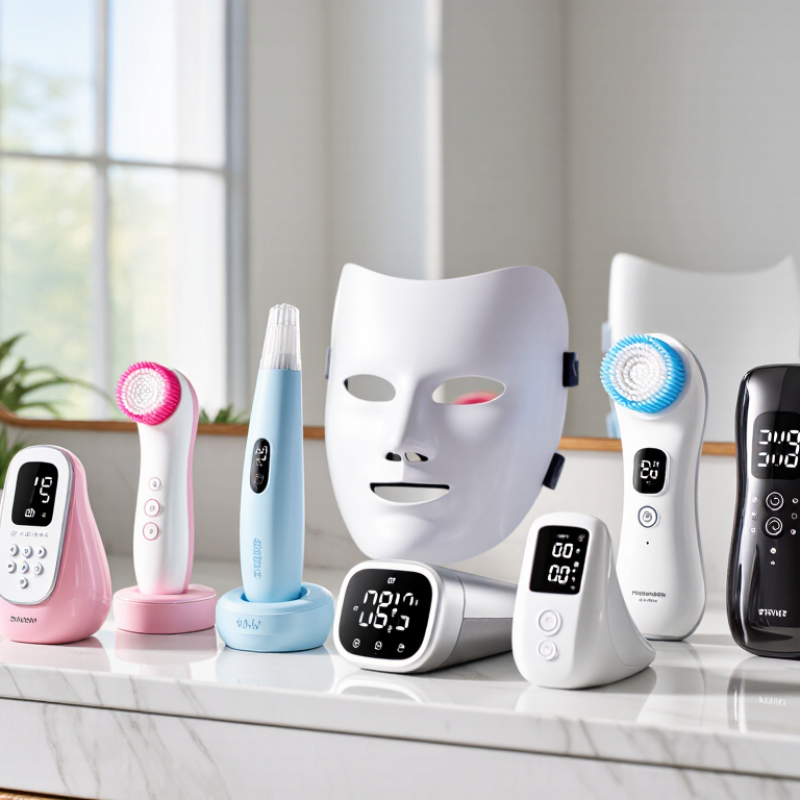
Chinese manufacturers commonly produce facial cleansing brushes, LED masks, microcurrent tools, radio-frequency devices, ultrasonic spatulas, steamers, and cooling rollers. Each type requires different use patterns. A cleansing brush may suit two or three uses weekly, while an LED mask often follows a daily or alternate-day schedule. Microcurrent devices usually require clean, conductive skin and consistent sessions. Radio-frequency tools need more caution and longer intervals.
The market is expanding quickly. Grand View Research reported that the global beauty devices market was valued at approximately USD 34 billion in 2023. Its growth reflects rising home-care demand, but market size does not prove every device works equally well. I would not treat a low-cost tool and a clinically tested device as identical. Product instructions, electrical safety testing, skin sensitivity, and after-sales traceability matter. The category is not perfectly standardized. That deserves more attention.
Tips: Start with one device, not several. Test a small skin area first. Stop if you feel burning, swelling, or lasting redness. Use mild cleansing tools less often when your skin feels dry. LED devices should follow the stated exposure time, never longer. Avoid combining heat-based tools with strong exfoliating products during the same routine. Keep contact surfaces clean and dry. A simple usage diary can reveal irritation that memory often misses. Professional guidance is sensible for sensitive skin, active inflammation, or unexplained pigmentation.
Facial care devices work through different forms of cleansing, light, massage, heat, or mild electrical stimulation.
A silicone cleansing brush loosens surface oil and sunscreen. Use it two or three times weekly, not with harsh scrubs.
A rotating cleansing brush may clean more deeply, but once weekly is safer for sensitive skin.
An ultrasonic spatula uses gentle vibration to lift debris. Use it once weekly on damp skin.
A facial steamer softens buildup through warmth. Limit sessions to five minutes, once weekly, and avoid very hot steam.
LED light devices use specific wavelengths to support skin-calming or appearance-focused routines. Follow the device instructions, usually three to five sessions weekly. Protective eyewear may be necessary.
Microcurrent devices deliver low electrical stimulation for temporary firming effects. Use them two or three times weekly with suitable conductive gel.
An ultrasonic infusion device may help spread water-based products across the skin. Use it once or twice weekly, without forcing products into irritated areas.
Radiofrequency devices create controlled warmth in deeper skin layers. Home use should remain limited, often once weekly, because excess heat can irritate skin.
Galvanic devices use a mild current to support product application. Use them once weekly and avoid incompatible active ingredients.
A facial ice roller cools the surface and may temporarily reduce puffiness. Use it briefly, several times weekly, with a clean barrier.
Dermaplaning tools remove fine hair and surface cells. Use them every three to four weeks, never over active breakouts or broken skin.
Start gently. More is not always better.
I once assumed daily use would improve results faster, but dryness changed that view.
Persistent redness, pain, or swelling requires stopping the device and seeking qualified medical advice.
Choosing the right facial device starts with your skin type, not popularity. Oily skin may tolerate a gentle cleansing device, while dry or sensitive skin needs softer contact and shorter sessions. For acne-prone skin, avoid harsh friction around inflamed areas. A device should support your routine, not replace cleansing, moisturizing, or professional care.
Device frequency depends on its function and your skin’s response. Beginners can try one session weekly, then increase slowly if there is no burning, tightness, or lasting redness. Light-based devices often require consistent use, but the instruction manual should guide timing. I once mistook mild redness for a good result. That was a useful warning. More intensity does not always mean better skin.
Tips: Clean the device before and after use. Patch-test new products first. Stop when discomfort appears. Avoid using exfoliating tools after strong acids or retinoids. Keep a simple record of frequency, redness, and dryness. If you have eczema, rosacea, persistent acne, or recent cosmetic procedures, ask a qualified dermatologist before use. Skin changes slowly. Be patient.
| Rank | Facial Device Type | Main Function | Recommended Frequency | Suitable Skin Types | Best Use Duration | Important Precautions |
|---|---|---|---|---|---|---|
| 1 | LED Light Therapy Mask | Uses red, near-infrared, or blue light to support skin appearance and help manage mild blemish-prone skin. | 2–5 times per week, according to the device instructions. | Most skin types; blue-light modes may suit oily or blemish-prone skin. | 10–20 minutes per session. | Use eye protection when required. Check with a healthcare professional if using photosensitizing medication or if you have a light-sensitive condition. |
| 2 | Facial Cleansing Brush | Assists with cleansing and gentle removal of surface debris. | Up to once daily for tolerant skin; 2–3 times per week for sensitive or dry skin. | Normal, combination, and oily skin when used gently. | 30–60 seconds for the entire face. | Avoid harsh pressure and prolonged use. Do not use over active eczema, open wounds, or irritated skin. Clean and dry the brush head after use. |
| 3 | Microcurrent Facial Device | Delivers low-level electrical current for temporary facial toning and contouring effects. | 3–5 times per week or as specified by the manufacturer. | Normal, dry, combination, and mature skin; generally suitable for non-irritated skin. | 5–10 minutes per session with conductive gel. | Do not use with a pacemaker or implanted electronic device. Avoid the front of the neck, broken skin, and areas with active inflammation unless the instructions specifically allow it. |
| 4 | Ultrasonic Skin Scrubber | Uses high-frequency vibration to loosen surface oil and debris on wet skin. | Once weekly; up to twice weekly only if the skin remains comfortable. | Combination and oily skin; use cautiously on normal skin. | 3–5 minutes per session. | Keep the skin wet and use light pressure. Avoid active acne lesions, rosacea flares, dermatitis, and recently exfoliated skin. |
| 5 | Facial Steamer | Provides warm mist that can soften surface debris and temporarily increase skin hydration. | 1–2 times per week, if well tolerated. | Normal and dry skin; limited use for combination skin. | 5–10 minutes per session. | Avoid very hot steam and keep a safe distance. People with rosacea, visible flushing, eczema, or heat-sensitive skin may experience worsening irritation. |
| 6 | Radiofrequency Skin-Tightening Device | Uses controlled heat to support the appearance of firmer-looking skin. | Usually 1–3 times per week during an initial course, then less often; follow the device protocol. | Mature or lax-looking skin without active irritation. | 5–15 minutes per treatment area. | Use the required conductive product and avoid excessive heat. Do not use over metal implants, active skin disease, or areas with reduced sensation without professional advice. |
| 7 | Facial Massage Roller or Gua Sha Tool | Provides gentle massage that may temporarily reduce the appearance of puffiness. | Daily or several times per week, using light pressure. | Most skin types, including dry skin, when the tool glides smoothly. | 3–5 minutes per session. | Do not massage over inflamed acne, sunburn, broken capillaries, wounds, or irritated skin. Clean the tool before and after use. |
| 8 | Facial Mist Sprayer | Applies a fine water-based mist for short-term surface refreshment. | As needed, generally 1–3 times daily with clean water or a suitable product. | Dry and normal skin; suitable for most skin types when hygienically used. | 1–2 minutes per use. | Follow with a moisturizer to reduce water loss. Empty and clean the reservoir regularly; avoid spraying contaminated or fragranced liquids near the eyes. |
| 9 | Diamond or Crystal Microdermabrasion Device | Mechanically exfoliates the outermost layer of the skin to improve surface smoothness. | Every 2–4 weeks; less often for sensitive or dry skin. | Normal or oily, resilient skin; generally unsuitable for reactive skin. | 3–5 minutes per session. | Avoid active acne, rosacea, eczema, sunburn, wounds, and recently waxed skin. Apply sunscreen and avoid strong exfoliating products for several days afterward. |
| 10 | Facial Vacuum Pore Cleaner | Uses suction to remove some surface oil and loosened debris from pores. | No more than once every 1–2 weeks, using the lowest effective suction. | Oily or combination skin with good tolerance; not ideal for fragile skin. | 1–3 minutes, avoiding repeated passes. | Excessive suction may cause bruising, broken capillaries, swelling, or irritation. Never use on active acne, inflamed skin, wounds, or around the eyes. |
Note: Recommended schedules are general guidance for home-use devices, not medical treatment instructions. Consult a qualified dermatologist before using electrical, light-based, heat-based, or exfoliating devices if you have a diagnosed skin condition, are pregnant, take photosensitizing medication, or have an implanted medical device.
Safe use matters more than owning all ten facial care devices. Common options include LED masks, cleansing brushes, microcurrent tools, cooling rollers, ultrasonic spatulas, and radiofrequency devices. The Global Wellness Institute’s 2024 report valued the global wellness economy at $6.3 trillion in 2023. That growth encourages home treatments, but popularity is not proof of safety.
Start with clean, dry skin and read the device instructions. Patch-test new products first. Use a gentle cleanser before LED or microcurrent treatments. Most LED sessions last 10–20 minutes, three to five times weekly. Cleansing brushes usually need less frequent use, perhaps once or twice weekly for sensitive skin. Follow the stated schedule for radiofrequency, heat, or exfoliating tools. Never press hard. Stop if you feel burning, sharp pain, swelling, or lasting redness. The American Academy of Dermatology recommends daily broad-spectrum SPF 30 or higher, especially after exfoliation.
Tips: Keep one simple routine. Do not combine every device in one evening. Disinfect contact surfaces after use, and replace worn heads promptly. Avoid damaged skin, active irritation, and unhealed cosmetic procedures. Some conditions and medicines may increase light or heat sensitivity, so professional advice is sensible. I sometimes want faster results, but frequent use can create dryness instead. A weekly photo under the same bathroom light can reveal gradual changes better than memory. Still, personal tracking is imperfect. Device instructions and skin response should guide adjustments.
The chart shows conservative starting frequencies commonly used for different facial care device categories. LED and cleansing devices are generally suitable for several sessions per week, while radio-frequency, exfoliating, and microdermabrasion devices usually require more recovery time. Always follow the device instructions, begin with the lowest setting, and stop if redness, burning, or discomfort occurs.
How often you use a facial device depends on energy, skin sensitivity, and your treatment goal. The Global Wellness Institute valued the personal care and beauty sector at about $1.3 trillion in 2022. Demand is growing, but popularity does not prove safety. The 2023 ISAPS Global Survey recorded 19.1 million non-surgical aesthetic procedures worldwide. Home devices still need a slower, more careful approach. Read the instructions first. Always.
For cleansing brushes, start once or twice weekly, especially with dry or reactive skin. LED devices commonly suit three to five sessions weekly, lasting 10 to 20 minutes, if the manual allows it. Microcurrent tools may be used several times weekly, while radiofrequency or ultrasound devices often require longer intervals. Exfoliating devices usually need only weekly use. These are starting ranges, not universal rules. Stronger settings do not guarantee faster results. Skin redness, warmth, tightness, or stinging means you should stop and reassess.
Your routine also changes with acne medication, recent procedures, sun exposure, eczema, or implanted medical devices. Photosensitive users need particular caution with light-based treatments. The American Academy of Dermatology advises following device directions and seeking professional guidance for persistent irritation.
I have found that people often measure success by frequency, not skin comfort. That is a mistake worth correcting. Patch testing helps, although it cannot remove every risk. Keep a simple log of dates, settings, and reactions. Your skin may need less than the schedule suggests.
Start two or three times weekly. It helps loosen surface oil and sunscreen. Avoid harsh scrubs. Dry skin may need less.
Begin once weekly. Use light pressure and watch for tightness or redness. Stop if your cheeks sting afterward.
Use it once weekly on damp skin. Keep the movement gentle. Do not press over irritated or broken areas.
Limit steaming to five minutes once weekly. Use warm, not very hot, steam. Your face should not feel painfully flushed.
Many devices allow three to five sessions weekly. Each session may last 10 to 20 minutes. Follow the manual carefully.
Microcurrent devices commonly suit two or three weekly sessions with conductive gel. Radiofrequency usually needs about one session weekly. More heat is not automatically better.
Exfoliating devices often need weekly use. Dermaplaning should wait three to four weeks between sessions. Never use it over active breakouts or broken skin.
Stop for persistent redness, pain, swelling, warmth, tightness, or stinging. Seek qualified medical advice if symptoms continue. I once assumed daily use worked faster. Dryness changed my mind.
Facial care devices made in China include cleansing brushes, sonic vibrators, LED masks, microcurrent tools, hot and cold therapy devices, facial steamers, exfoliating spatulas, and pore-cleaning instruments. Each works differently, so the answer to “How often should I use facial care devices” depends on the device’s intensity, purpose, and your skin’s condition. Gentle cleansing or cooling tools may be suitable several times a week, while exfoliating, warming, or electrical devices often require more spacing to reduce the risk of dryness or irritation.
Choosing the right device starts with identifying your skin type and concerns. Sensitive or dry skin generally benefits from lower intensity and shorter sessions, while oily or combination skin may tolerate cleansing and pore-care tools more frequently. A safe routine includes cleansing the face, reading the device instructions, applying a suitable conductive or protective product when needed, using the device gently without prolonged pressure, and moisturizing afterward. Skin sensitivity, active blemishes, seasonal changes, product use, and personal tolerance should all influence the schedule. Stop using any device if discomfort, redness, or swelling occurs.
