Can Beauty Devices Fully Replace Salon Treatments Today?

Time:2026-07-21 Author:Liam
0%

The rise of at-home beauty devices has sparked a conversation: "Can beauty devices replace salon treatments?" A report by Statista reveals that the global beauty devices market is projected to reach $62 billion by 2025. This surge is fueled by advancements in technology and a growing consumer interest in self-care. According to industry expert Dr. Emily Chen, “Home devices have made beauty more accessible, but they cannot completely match professional treatments.”

Many consumers are turning to devices for convenience and cost-effectiveness. These products offer a glimpse of professional results without the salon price tag. However, some procedures still require specialized skills and equipment found only in professional settings. While devices provide an excellent supplementary option, they may lack the efficacy of high-end treatments.

The effectiveness of beauty devices often varies. Not all devices are created equal, and results can be inconsistent. This leaves room for reflection on whether these tools can deliver the promised benefits. As technology progresses, ongoing research and consumer feedback will guide their place in the beauty industry.
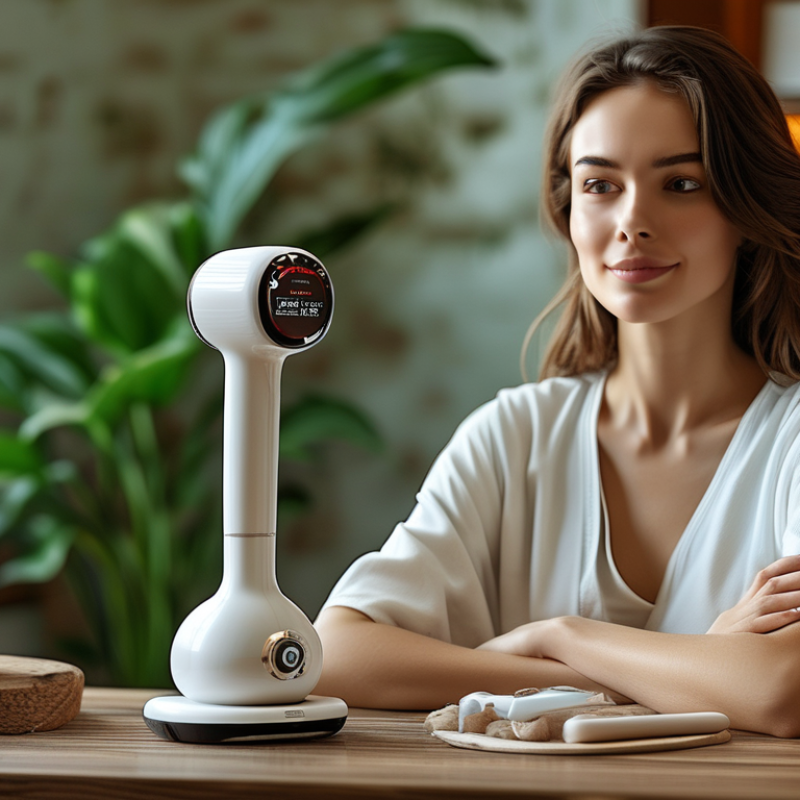
Can Beauty Devices Fully Replace Salon Treatments Today?

The Evolution of Beauty Devices: A Comparison with Salon Treatments

The evolution of beauty devices has transformed the landscape of self-care. Recent industry reports indicate a significant rise in consumer interest. In 2023, the global beauty device market reached an estimated $39 billion. Advanced technology drives this surge, enabling users to experience salon-like results at home.

However, while beauty devices offer convenience, there are limitations. Devices often lack the personalized approach of professional treatments. A survey reveals that 70% of users express dissatisfaction with the effectiveness of at-home devices compared to salon treatments. This raises questions about their efficacy.

There's a notable divide between accessing high-quality devices and understanding their proper use. Many users struggle to achieve desired results, leading to frustration. Training and guidance are often insufficient. This gap highlights the potential need for a blend of professional care and at-home devices. Balancing both could yield the best outcomes for consumers.

Current Market Trends in At-Home Beauty Devices: Key Statistics

The at-home beauty device market is booming. According to recent research, over 60% of consumers now consider these devices essential. People appreciate the convenience of using beauty tools in their homes. There's a rising demand for efficacy and easy-to-use products. Consumers are looking for tools that offer salon-like results without the hefty price tag.

Tips: Always do your research before purchasing a device. Look for user reviews and expert opinions. Understanding the specific benefits of a device can make a significant difference in your beauty regimen. Keep in mind, results can vary. What works for one person might not work for another.

Still, some treatments are hard to replicate at home. Many beauty devices require consistent use for true effectiveness. It's important to set realistic expectations when using these products. Patience and regular maintenance are key. A well-rounded routine may still include occasional salon visits for more intensive treatments.

Can Beauty Devices Fully Replace Salon Treatments Today? - Current Market Trends in At-Home Beauty Devices: Key Statistics

Device Type Market Share (%) User Satisfaction Rating (1-5) Projected Growth Rate (%)
Facial Cleansing Devices 30% 4.5 12%
LED Therapy Devices 20% 4.7 15%
Microdermabrasion Devices 25% 4.3 10%
Hair Removal Devices 15% 4.2 20%
Skin Tightening Devices 10% 4.6 18%

Effectiveness of Beauty Devices vs. Professional Salon Services: A Review

As more beauty devices enter the market, many wonder if these tools can truly replace professional salon treatments. The effectiveness of at-home devices often varies. Some offer good results, while others struggle to deliver on their promises. It is essential to remember that personal skin types and concerns differ significantly. What works for one person may not work for another.

Professional treatments often utilize advanced technology and products that are not available for home use. For instance, lasers and chemical peels performed by licensed technicians can offer dramatic results. These treatments are tailored to individual needs, taking into account skin condition and health history. Unlike most home devices, professional services provide that level of attention and expertise.

Yet, home devices hold convenience and affordability. They offer a chance for quick touch-ups between salon visits. However, users may need to exercise caution. Overuse can lead to irritation or damage. It is vital to research and understand each device’s functions and limitations. Many beauty enthusiasts find themselves pondering the balance between professional services and home care in their beauty routines. The question remains: Can these devices truly replace the skills of trained professionals?

Effectiveness of Beauty Devices vs. Professional Salon Services

Consumer Preferences: The Shift Towards Self-Care and DIY Beauty

The DIY beauty trend is reshaping consumer preferences. Recent reports indicate that over 70% of beauty consumers are opting for at-home treatments. This shift is driven by convenience and a desire for personalized care. In a world where time is at a premium, many people find salon visits daunting.

Consumers are increasingly willing to invest in beauty devices for home use. A survey highlighted that 65% of respondents believe these devices provide comparable results to professional treatments. However, there's a sense of skepticism. Many wonder if they can achieve the same level of expertise as trained professionals.

Moreover, the rise of social media influencers plays a significant role in this transition. A report noted that 80% of users trust recommendations from influencers, further fueling the DIY culture. Yet, not every beauty device meets expectations. Some users report mixed results, citing technical difficulties or a steep learning curve. It’s essential for consumers to research thoroughly before making significant investments.

Technological Advances in Beauty Devices: What's Driving Their Popularity?

The beauty device market has seen rapid growth in recent years. A report by Allied Market Research states that the global beauty devices market is projected to reach $107 billion by 2026, driven by technological advancements. Consumers are increasingly drawn to these devices for their convenience and effectiveness.

Technological innovation plays a significant role in the rising popularity of beauty devices. Devices that utilize LED light therapy, microcurrents, and radiofrequency are now more accessible for home use. The result is a growing number of beauty enthusiasts opting for at-home treatments. In fact, a study by Grand View Research indicates that over 60% of users believe at-home devices can deliver salon-quality results. However, some users report mixed experiences, highlighting the need for education on proper usage.

Despite these advancements, at-home treatments may not entirely replace salon services. Professional expertise often guarantees personalized care and superior results. Additionally, some devices may not suit every skin type or issue. The beauty device landscape continues evolving, but many clients still seek the tailored experience that salons offer, leaving room for both options in this competitive market.

FAQS

: Can beauty devices replace professional salon treatments?

: The effectiveness of beauty devices varies greatly depending on individual skin types and concerns.

What advantages do professional treatments offer?

Professional treatments use advanced technology and products for more tailored and effective results.

Are at-home beauty devices effective?

Many users experience good results, but some devices struggle to deliver on their promises.

What should users be cautious about when using beauty devices?

Overuse of devices can lead to skin irritation or damage, so it’s vital to research them thoroughly.

Why are beauty devices gaining popularity?

Convenience, affordability, and technological advancements are driving consumers toward at-home beauty devices.

Do at-home devices deliver salon-quality results?

Over 60% of users believe they do, but experiences can vary significantly.

What types of technology are common in beauty devices?

LED light therapy, microcurrents, and radiofrequency are popular features in many home devices.

Is professional expertise still necessary?

Yes, professional services often provide personalized care that at-home devices may not match.

Can everyone use beauty devices safely?

Not all devices suit every skin type or issue, making prior research essential.

How should one balance professional treatments and at-home care?

Finding the right mix can depend on personal needs and beauty goals, requiring careful consideration.

Conclusion

The article "Can Beauty Devices Fully Replace Salon Treatments Today?" explores the evolution of beauty devices and their growing popularity as viable alternatives to professional salon treatments. It discusses current market trends, revealing key statistics that illustrate a significant shift towards at-home beauty solutions. The effectiveness of these beauty devices compared to traditional salon services is also reviewed, highlighting that while many at-home tools offer convenience and cost savings, they may not fully replicate the results achieved by professionals.

Moreover, consumer preferences are shifting towards self-care and DIY beauty practices, driven by technological advances in beauty devices. These innovations are making it easier for individuals to achieve salon-like results from the comfort of their homes. Ultimately, the article raises the question: can beauty devices replace salon treatments? While they present numerous benefits, the answer may depend on individual needs and expectations.

Liam

Liam

Liam is a dedicated marketing professional with a profound expertise in the industry, where he excels at highlighting the unique advantages of our core products. With a keen understanding of market trends and consumer needs, Liam frequently updates our company’s professional blog, providing......