In recent years, beauty devices have surged in popularity. Many consumers are curious about their effectiveness. A common question arises: can beauty devices replace salon treatments? Numerous gadgets claim to offer professional results from the comfort of home. They promise things like glowing skin, reduced wrinkles, and improved texture. Innovations range from LED masks to microcurrent devices. Each claims to perform salon-like treatments.
However, the effectiveness of these devices is often debated. Not all devices provide the same results as professional treatments. Some may enhance your routine, while others fall short. It’s essential to research and choose devices carefully. Professional treatments, performed by experts, often use advanced technologies. These might not be available in home devices.
Moreover, user experiences vary significantly. What works for one person may not work for another. There is a learning curve to using many of these devices effectively. Investing time into understanding them is crucial for desired outcomes. The allure of at-home beauty treatments is undeniable, but results may not always match salon quality. As we explore 2026’s best beauty devices, the question remains: can beauty devices truly replace salon treatments?
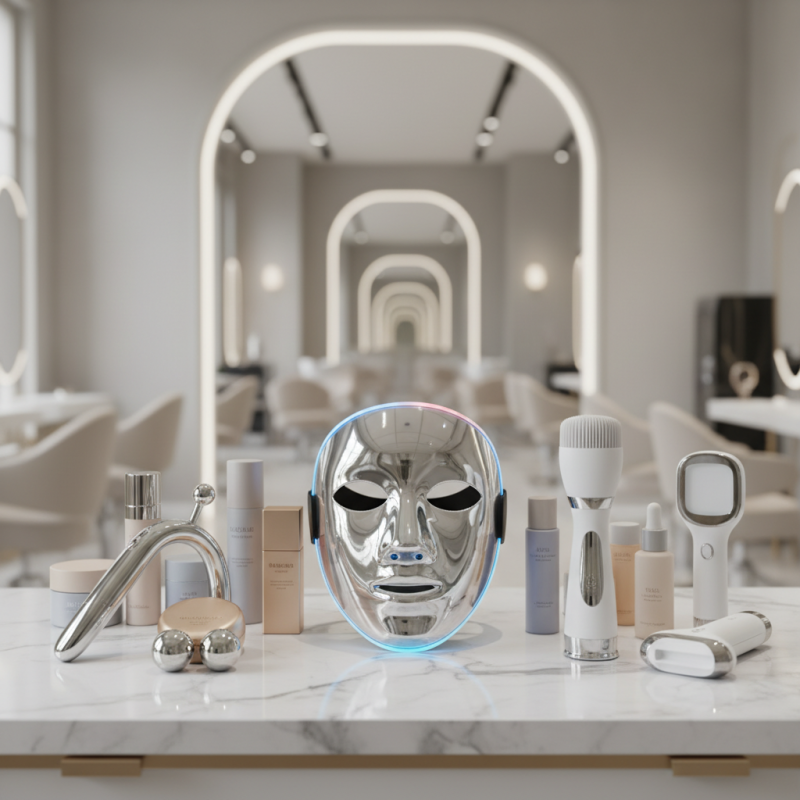
As we enter 2026, the beauty device market showcases incredible advancements. Devices designed for at-home skincare now dominate the landscape. According to the latest industry report from Allied Market Research, the beauty device market is projected to reach $104 billion by 2027. This growth highlights the shift toward personal care technology.
In 2026, consumers are able to access an array of innovative treatments at home. Devices like LED masks, microcurrent machines, and ultrasonic exfoliators gain popularity. These tools offer convenience, allowing users to incorporate professional-level treatments into their daily routines. Some devices claim to provide results comparable to salon treatments. Yet, the effectiveness of these devices can vary significantly among users.
While many appreciate the accessibility of beauty devices, some professionals raise concerns. Not all devices deliver the promised results. Individual skin types and conditions may affect outcomes. Furthermore, improper use of these devices can lead to irritation or damage. Before fully relying on them, users must understand their own skin and seek guidance. The balance between convenience and efficacy remains a key consideration in this evolving landscape.
: The beauty device market is projected to reach $104 billion by 2027. Home skincare devices dominate this landscape.
LED masks, microcurrent machines, and ultrasonic exfoliators are popular. They provide convenient, at-home treatments.
Not all devices deliver promised results. Effectiveness can vary significantly depending on individual skin types and conditions.
Professionals worry that some devices might irritate or damage skin if used improperly. Understanding one's skin is essential.
Only 30% show significant results akin to professional care, according to a dermatology study. Mixed user reviews highlight this inconsistency.
Many users feel disappointed. They expect strong results but find these devices lack the potency of professional treatments.
Not all devices undergo rigorous testing. Without clinical trials, effectiveness remains questionable, prompting users to reflect on their choices.
Yes, seeking professional advice could help users make informed decisions. This is vital for those wanting lasting outcomes.
Yes, many devices provide temporary improvements. Long-term results are often unclear, leading to user frustration.
Users should understand their skin and seek guidance. Proper usage is key to maximizing outcomes from these devices.
In 2026, the landscape of beauty technology showcases a wide array of beauty devices that promise to deliver effective results comparable to salon treatments. With advancements in technology, consumers are increasingly asking, "Can beauty devices replace salon treatments?" A detailed comparison reveals that while at-home devices offer convenience and cost-effectiveness, salon treatments still hold their ground in terms of professional expertise and immediate results.
Key features of popular beauty devices highlight their effectiveness, as reflected in user reviews and scientific studies that validate their performance. Future trends suggest a growing consumer preference for personalized beauty solutions, indicating that the line between at-home devices and traditional salon services may continue to blur. As the beauty industry evolves, it will be intriguing to see how these devices change consumer habits and the overall perception of beauty treatments.

 Earts Beauty