7 Tips Does Facial Massage Help Lift Skin?

Time:2026-10-27 Author:Amelia
0%

Does facial massaging help lift the skin? This question deserves more than a glossy promise. The American Society for Dermatologic Surgery’s 2023 Consumer Survey found that signs of aging concern many adults. However, concern does not prove that massage can reverse laxity.

A 2018 study published in PLOS ONE observed increased facial blood flow after massage. The result was measurable, but temporary. It did not demonstrate permanent lifting, collagen rebuilding, or tightened facial structures. Dermatologist Dr. Hadley King puts the evidence plainly: “Massage may temporarily improve circulation and reduce puffiness, but it cannot permanently lift sagging skin.” This distinction matters. A warmer cheek can look fresher in the mirror. That is not the same as lifting weakened tissue.

The American Academy of Dermatology also explains that collagen and elastin decline with age. Sun exposure accelerates visible damage. Gentle massage may support relaxation, reduce mild fluid retention, and improve product application. Yet aggressive rubbing can cause redness, irritation, or broken capillaries, especially around the nose and eyes.

This guide explores seven practical tips for safer facial massage. It separates short-term appearance changes from lasting structural effects. The answer is less glamorous than marketing suggests. Still, massage can have value. Its benefits are simply narrower than many claims imply. Results vary, and the research remains limited. That uncertainty should remain visible.
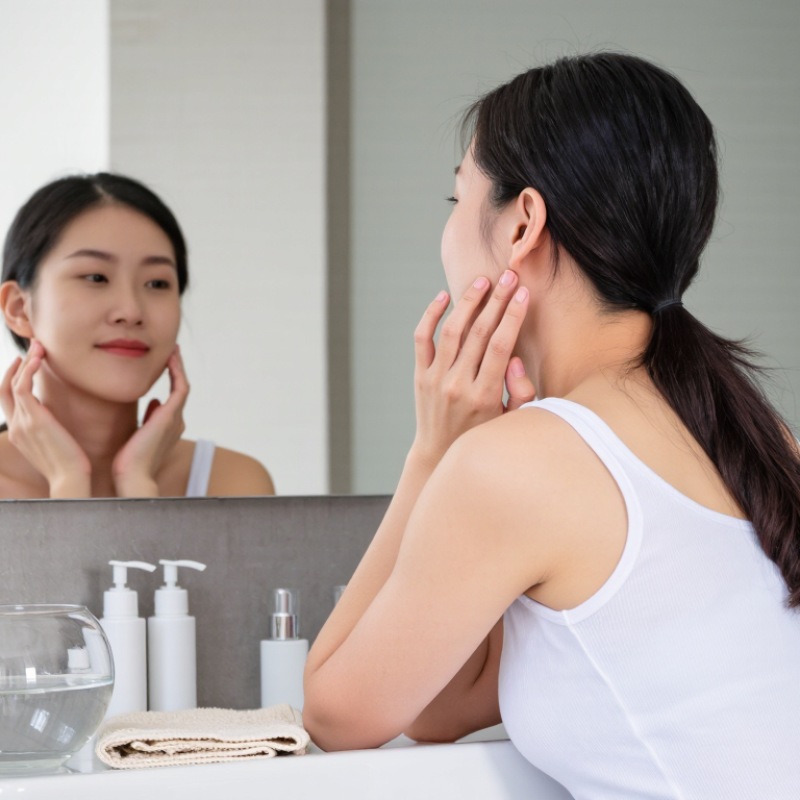
7 Tips Does Facial Massage Help Lift Skin?

What Facial Massage Is and How It May Affect Skin

7 Tips Does Facial Massage Help Lift Skin?

Facial massage is a hands-on technique for moving gently across the cheeks, jaw, forehead, and neck. It may encourage temporary circulation and reduce mild morning puffiness. The “lifted” appearance often comes from relaxed muscles and shifted fluid, not permanent tightening. Current skin-care knowledge does not show that massage can rebuild collagen or replace professional treatment. The effect is usually subtle.

Use clean hands and a freshly washed face. Apply a simple moisturizer to reduce pulling. Keep pressure light, especially around the eyes. Move from the center of the face outward, then glide down the neck. Five minutes is enough. Daily consistency may feel more useful than forceful rubbing.

Stop if you notice burning, swelling, bruising, or increased redness. Never massage over open wounds or an active, painful rash.

I used to assume stronger pressure would create a sharper jawline. It did not. My skin looked briefly brighter, but the change faded within hours. That observation matters. Results can vary with hydration, sleep, skin sensitivity, and technique. People with rosacea, recent procedures, or persistent acne should ask a qualified medical professional before trying it. A mirror can help you notice tension, but it cannot measure lifting accurately. Gentle movements, realistic expectations, and careful skin observation make the practice safer.

How Facial Massage Could Create a Temporary Lifting Effect

Facial massage may create a temporary lifting effect, but it does not permanently tighten loose skin. Gentle pressure can increase surface circulation, reduce mild puffiness, and relax tense facial muscles. The cheeks may look slightly higher for a short time. Think refreshed, not structurally changed.

A small 2018 study in Complementary Therapies in Medicine followed 12 women. Researchers reported increased cheek blood flow after five minutes of facial roller massage. After five weeks, the massage group also showed a stronger vascular response. The sample was very small, so the result is interesting rather than conclusive. Human skin is more complicated than a single study.

Technique matters. Clean hands and a simple moisturizer can reduce dragging. Use light strokes from the center of the face toward the ears, then down the neck. Spend about three to five minutes. Avoid painful pressure, aggressive pulling, or massaging irritated skin. I have found that a cooler face can look tighter immediately, but that visual change often fades within hours. That detail is easy to overlook.

Clinical guidance from the American Academy of Dermatology distinguishes temporary surface improvement from lasting skin tightening. Massage cannot rebuild collagen in the same way as proven medical procedures. It may support a relaxed, less swollen appearance, especially after poor sleep or prolonged screen use. Stop if redness, burning, bruising, or swelling develops. Consistent sun protection remains more important for long-term firmness than any massage routine.

Seven Practical Tips for Safe and Effective Facial Massage

7 Tips Does Facial Massage Help Lift Skin?

Facial massage may make skin look fresher, but it cannot permanently lift loose tissue. Gentle movement can temporarily reduce puffiness and improve circulation. I noticed this most around my cheeks after a short morning massage. The effect faded later. That limitation matters.

Tip 1: Start with clean hands and a clean face. Use a simple moisturizer to reduce friction. Tip 2: Press lightly, using your fingertips rather than your nails. Move from the center of the face outward, then down the neck. Five minutes is usually enough. Too much pressure can cause redness, tenderness, or tiny broken vessels.

Tip 3: Avoid massage over cuts, active acne, rashes, or sunburn. Stop if the skin feels hot or painful. Tip 4: People with rosacea or sensitive skin should ask a dermatologist for personalized advice. Tip 5: Do not massage directly after injections, laser treatment, or other procedures unless a qualified professional approves it. Tip 6: Keep movements slow, especially around the eyes. Tip 7: Track your skin for two weeks instead of trusting one mirror check. I sometimes pressed harder, thinking stronger meant better. It did not. Consistent, gentle technique is safer, while lasting sagging usually needs professional assessment.

Does Facial Massage Help Lift Skin?

Seven practical tips for a gentle, safe, and effective facial-massage routine

How to read this chart: This seven-minute routine allocates one minute to each safety-focused step. Facial massage may temporarily improve circulation and reduce the appearance of puffiness, but it cannot permanently lift or tighten loose skin.

Common Mistakes and Skin Types That Require Extra Care

7 Tips: Does Facial Massage Help Lift Skin?

Facial massage may make skin look temporarily lifted, but it cannot permanently tighten loose tissue. The visible effect often comes from reduced puffiness and improved surface circulation. Gentle upward strokes may also relax tense facial muscles. The change is usually subtle. Results depend on technique, skin condition, and consistency.

Common mistakes can cause more harm than benefit. Pressing too hard may leave redness, tenderness, or broken capillaries. Pulling dry skin creates unnecessary friction. Use clean hands and a small amount of fragrance-free moisturizer or facial oil. Avoid rubbing over active acne, open wounds, cold sores, or irritated patches. A qualified dermatologist should assess persistent swelling or unexplained skin changes.

Sensitive, rosacea-prone, eczema-prone, and very dry skin require extra care. Keep pressure light, shorten the massage, and test one small area first. People using exfoliating acids, retinoids, or prescription treatments may experience increased sensitivity. Wait until the skin feels calm. Oily or acne-prone skin is not automatically unsuitable, but heavy products may clog pores. In practice, it is easy to mistake temporary flushing for genuine lifting. I once underestimated how quickly over-massaging could worsen redness; a slower routine proved more sensible.

7 Tips: Does Facial Massage Help Lift Skin? — Common Mistakes and Skin Types That Require Extra Care

No. Tip or Consideration What the Evidence Supports Recommended Practice Common Mistake Extra-Care Skin Types
1 Set realistic expectations Facial massage may temporarily improve circulation, warmth, relaxation, and the appearance of puffiness. It has not been proven to permanently lift sagging skin or rebuild lost collagen. Use massage as a supportive self-care step rather than a replacement for sunscreen, moisturiser, or professional treatment. Expecting a lasting facelift effect from massage alone. All skin types should maintain realistic expectations, especially mature skin with significant laxity.
2 Use a clean, slip-friendly surface Adequate lubrication reduces dragging and friction, which can otherwise increase temporary redness and irritation. Wash hands, cleanse the face, and apply a bland moisturiser or suitable facial oil that does not irritate the skin. Massaging dry skin or using fragranced products that trigger stinging. Dry, sensitive, eczema-prone, and barrier-impaired skin require especially gentle products.
3 Keep pressure light to moderate Skin does not need forceful pulling to receive the relaxing and sensory benefits of massage. Excess pressure can worsen irritation and discomfort. Use slow, comfortable strokes with minimal stretching; stop if there is pain, burning, bruising, or persistent redness. Pinching, aggressively scraping, or repeatedly stretching the skin. Thin, fragile, highly sensitive, or bruising-prone skin needs the lightest touch.
4 Follow a simple direction There is no established massage direction that permanently lifts facial tissue. Direction mainly helps maintain a consistent, gentle routine. Glide from the centre of the face outward, then move gently down the sides of the face and neck without pressing on the throat. Treating drainage claims as medically proven or pressing directly over painful areas. People with unexplained facial swelling, neck tenderness, or recent procedures should seek professional advice first.
5 Limit the session length Longer or more forceful sessions are not proven to produce better lifting results and may increase friction-related irritation. Start with approximately 3–5 minutes, a few times per week, and adjust according to comfort and skin response. Massaging for a long time or repeating the same stroke until the skin feels sore. Reactive, rosacea-prone, acne-inflamed, or recently exfoliated skin may need shorter sessions or avoidance.
6 Avoid active inflammation Friction and pressure can aggravate inflamed acne, dermatitis, sunburn, open wounds, or active skin infections. Skip massage over affected areas until the skin has recovered. Use only products already known to be well tolerated. Trying to massage away cystic acne, rashes, peeling, or sunburn. Acne-prone, rosacea-prone, eczema-prone, sunburned, or infected skin requires particular caution.
7 Pair massage with proven skin-care habits Daily broad-spectrum sunscreen helps reduce photoaging, while moisturising supports the skin barrier. These measures have stronger evidence for maintaining skin appearance than massage alone. Use broad-spectrum SPF 30 or higher, moisturise regularly, avoid smoking, and follow a consistent routine suited to your skin. Relying on massage while neglecting sun protection or using too many irritating products. Every skin type benefits from gentle cleansing, barrier support, and daily sun protection.
Safety note: Avoid facial massage over open wounds, active infections, severe inflammation, or immediately after cosmetic procedures unless a qualified healthcare professional confirms it is appropriate. Stop if irritation persists.

When to Expect Results and When to Seek Professional Advice

7 Tips Does Facial Massage Help Lift Skin?

When to Expect Results and When to Seek Professional Advice

Facial massage may create a temporary lifted appearance by reducing puffiness and increasing surface circulation. Your cheeks may look brighter after five to ten minutes. That effect is not the same as tightening loose skin. Small clinical studies report short-term blood-flow changes, but strong evidence for lasting lifting remains limited. I would not call this a facelift.

Realistic timing matters. A 2018 JAMA Dermatology study followed 16 women using facial exercises for 20 weeks. Researchers observed improved cheek fullness and estimated a younger appearance, but the study was small and lacked a control group. Massage alone may show subtle cosmetic changes after several weeks of consistent practice. Results vary with skin elasticity, age, technique, and swelling. More pressure is not better.

Stop if you notice pain, bruising, numbness, rash, or worsening redness. Seek a qualified dermatologist when sagging appears suddenly, affects one side, or follows swelling or injury. Professional advice also helps when loose skin bothers you despite gentle care. Research on facial massage is still developing, and some popular claims run ahead of the evidence. Use clean hands, light pressure, and avoid massaging over active acne, open skin, or recent procedures without medical approval.

Sources: JAMA Dermatology, 2018; peer-reviewed facial massage blood-flow studies.

FAQS

Can facial massage permanently lift loose skin?

No. It may create a temporary lifted appearance. Relaxed muscles and reduced puffiness can make the cheeks look slightly higher. The effect often fades within hours.

How long should a facial massage last?

Three to five minutes is usually enough. Use clean hands and a freshly washed face. Short and gentle works better than forceful rubbing. More pressure is not better.

What movements should I use?

Glide from the face center toward the ears. Then move gently down the neck. Use a small amount of moisturizer to reduce pulling. Keep strokes smooth and light.

Can facial massage reduce morning puffiness?

It may reduce mild puffiness temporarily. This can make the face look fresher after poor sleep. Results vary with hydration, stress, and skin sensitivity. The change is subtle.

Can massage rebuild collagen or tighten skin structure?

Current evidence does not show that massage rebuilds collagen. It cannot replace proven professional treatments. Think refreshed, not structurally changed.

Which mistakes can irritate the skin?

Pressing too hard may cause redness, tenderness, or bruising. Pulling dry skin creates extra friction. Heavy products may also clog pores. I once underestimated over-massaging. Slower was wiser.

Which skin conditions need extra caution?

Sensitive, rosacea-prone, eczema-prone, and very dry skin need special care. Test one small area first. People with active acne, open wounds, or painful rashes should avoid massage there. Ask a qualified medical professional after recent procedures.

When should I stop facial massage?

Stop if burning, swelling, bruising, or worsening redness appears. Persistent swelling needs professional assessment. A mirror can show tension, but it cannot measure lifting accurately. Skin observation matters.

Conclusion

Does facial massaging help lift the skin? It may create a temporary lifted and refreshed appearance by encouraging circulation, reducing mild puffiness, and relaxing facial tension. However, facial massage cannot permanently tighten loose skin or replace professional treatments. Its effects depend on technique, consistency, skin condition, and individual needs.

For safer and more effective results, cleanse your hands and face, use a suitable moisturizer or facial oil to reduce friction, apply gentle upward and outward movements, avoid pulling the skin, and keep each session brief. Focus on comfort rather than pressure, especially around the eyes and areas with sensitivity. People with acne, irritation, inflammation, recent procedures, or certain skin conditions should use extra care and seek professional guidance. Results are usually subtle and temporary; stop if pain or worsening irritation occurs, and consult a qualified professional when concerns persist.

Amelia

Amelia

Amelia is a seasoned marketing professional with a wealth of expertise in our company’s core offerings. With an unwavering passion for driving growth and innovation, she plays a pivotal role in shaping our marketing strategies and enhancing brand visibility. A key aspect of her responsibilities......